What if Your Shoe Cabinet Could Help You Build Better Connections?
Have you ever noticed how the little things in life—like scrambling for shoes before a family outing—can quietly strain your day? What if that same moment could spark a conversation, bring your household closer, or even help you feel more in sync with the people you care about? Today’s smart home tech isn’t just about convenience—it’s about creating space for connection. And it might start with something as simple as how you store your shoes. Think about it: the entryway is where your family comes together, says goodbye in the morning, and reunites at the end of a long day. What if that space could feel calmer, more welcoming, and even a little more joyful? That’s exactly what’s possible when everyday objects—like your shoe cabinet—start working a little smarter, and a lot more thoughtfully.
The Hidden Stress of Daily Routines
Let’s be honest—mornings at home can feel like a race against time. You’re making lunches, checking backpacks, and trying to get everyone out the door on schedule. And then, right when you think you’re ready, someone can’t find their shoes. Or worse, you find one sneaker under the couch and the other in the laundry room. It’s not a crisis, but it’s enough to make your shoulders tense and your voice rise just a little. These small moments of chaos don’t just slow you down—they chip away at your peace. You might not even realize how much energy you’re spending on them until they’re gone.
But here’s the thing: disorganization doesn’t just affect you. It affects the whole household. When the entryway is cluttered with shoes piled by the door, it sends a subtle message—this space isn’t cared for. And over time, that can make everyone feel a little more frazzled. Kids might stop bothering to put things away because “it’s always messy anyway.” Partners might snap at each other over something as small as a misplaced boot. These aren’t signs of a broken family—they’re signs of a system that’s not supporting you. The good news? The solution doesn’t have to be complicated. In fact, it might already be in your home, just waiting for a small upgrade.
What if, instead of starting the day with frustration, you began with ease? Imagine walking into a tidy entryway where every pair of shoes has its place. No digging, no yelling, no last-minute searches. That’s not a fantasy—it’s a shift in how we think about our spaces. And it starts by recognizing that even the smallest routines matter. When we make them smoother, we’re not just saving time. We’re saving emotional energy. We’re creating space for a good morning hug, a real “how are you?” before the day begins. That’s the kind of change that doesn’t just improve your home—it improves your relationships.
From Clutter to Calm: How Smart Shoe Cabinets Work
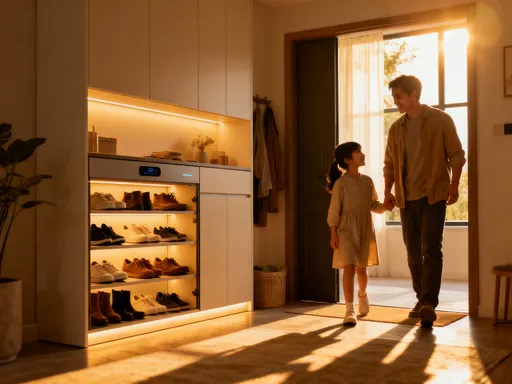
So what exactly is a smart shoe cabinet? It’s not a robot that ties your laces—though that would be fun. Instead, it’s a thoughtful blend of design and technology that helps you keep your shoes organized, clean, and ready when you need them. Think of it like a quiet helper that works behind the scenes. Some models use gentle motors to rotate shelves, bringing your most-worn shoes to the front. Others have built-in deodorizers or UV lights that keep shoes fresh between wears. And many now come with app connectivity, so you can check what’s inside or get a reminder to switch to winter boots when the forecast changes.
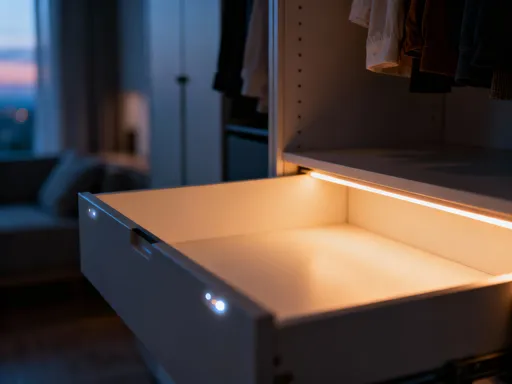
But here’s what’s really special: these cabinets aren’t about flashy tech. They’re about reducing friction. You don’t need to learn a new system or charge a device every night. Most are designed to blend into your home, looking like a sleek bench or a modern storage unit. You open the door, grab your shoes, and go. The intelligence is in the details—like sensors that detect when a pair hasn’t been worn in weeks and gently suggest a rotation, or soft lighting that turns on as you approach. It’s the kind of tech that doesn’t demand your attention—it just makes life a little easier.
And let’s talk about shoes themselves. They’re not just footwear—they’re tied to our routines, our moods, even our identities. The comfy sneakers you wear for school drop-offs, the polished flats for parent-teacher meetings, the rain boots that survive muddy playgrounds—each pair has a story. A smart cabinet doesn’t just store them—it honors them. By keeping them in good condition and easy to find, it shows that you value not just your shoes, but the life you live in them. That’s a small act of self-respect, and it sets the tone for the whole day.
One mom I spoke with told me, “I used to dread mornings because someone was always late, and it was always about shoes. Now, my kids open the cabinet, and their favorites are right there. It’s such a small thing, but it changed how we start the day.” That’s the power of smart design—it doesn’t replace human connection. It protects it.
Design That Fits Real Life
Now, you might be thinking—this sounds great, but does it fit in my home? The answer is yes, and in more ways than you might expect. Smart shoe cabinets aren’t just for luxury homes with giant mudrooms. Today’s models come in all sizes, from slim vertical units that fit beside a front door to low benches that double as seating. Some even mount on the wall, perfect for apartments or small entryways. The key is choosing one that matches not just your space, but your lifestyle.
Take climate control, for example. If you live in a humid area, you know how quickly shoes can develop odors or mildew. Some cabinets have built-in ventilation or moisture control that keeps leather soft and sneakers fresh. In colder regions, heated drying options can dry wet boots overnight—no more damp, chilly shoes in the morning. And for families with kids, safety features like soft-close doors and rounded edges make them practical and worry-free.
Customization is another big win. Many cabinets let you adjust shelf heights, so you can fit tall boots, kids’ sneakers, or even slippers. Some have removable trays for easy cleaning, or magnetic tags so each family member can claim their section. One family I met uses color-coded labels—blue for Dad, pink for Mom, green for the kids. It’s not just about organization; it’s about making the system work for everyone.
And installation? It’s often simpler than you’d think. Most units don’t require major renovations. You can place them on any flat surface, and many plug into a standard outlet. Some even run on batteries or solar-powered sensors, so you’re not tied to an outlet. The goal is to make the upgrade feel natural, not overwhelming. This isn’t about turning your home into a tech lab. It’s about bringing a little more calm into the places where life happens.
A Shared Space That Brings People Together
The entryway is more than just a doorway—it’s a transition zone. It’s where you take a deep breath before walking in after a long day. Where you hug your kids when they get home from school. Where you pause to say “I love you” before heading out. When this space feels chaotic, it can make those moments feel rushed or tense. But when it’s calm and organized, it becomes a place of welcome.
A smart shoe cabinet can help create that feeling. When everyone’s shoes are in their place, the whole entryway feels more peaceful. No more tripping over flip-flops or stepping on toy cars hidden under a pile of boots. And that calm isn’t just visual—it’s emotional. One woman shared with me, “When our entryway was messy, I felt like I was failing. Like I couldn’t even keep the front of the house together. Now, when I walk in and see everything in order, I feel proud. And my kids notice too. They’re more likely to hang up their jackets or say ‘hi’ when they come in.”
That’s the ripple effect of a well-designed space. It doesn’t just organize shoes—it shapes behavior. Kids learn responsibility when they have a clear spot for their things. Partners coordinate better when they’re not fighting over space. And over time, the entryway becomes a symbol of teamwork. It’s not about perfection. It’s about showing up for each other in small, consistent ways.
And let’s not forget the little joys. Like the way a child’s eyes light up when they press a button and their favorite sparkly shoes rotate into view. Or how a partner might say, “I didn’t even think about my boots today—they were dry and ready.” These aren’t grand gestures. They’re quiet moments of care, built into the design of everyday life. And they add up to something meaningful: a home that feels like it’s working with you, not against you.
Tech That Encourages Daily Rituals and Routines
One of the most powerful things about smart home tech is how it supports habits. We all know that routines make life smoother—brushing teeth, packing lunches, putting shoes away. But keeping them consistent? That’s the hard part. That’s where gentle nudges from technology can make a real difference.
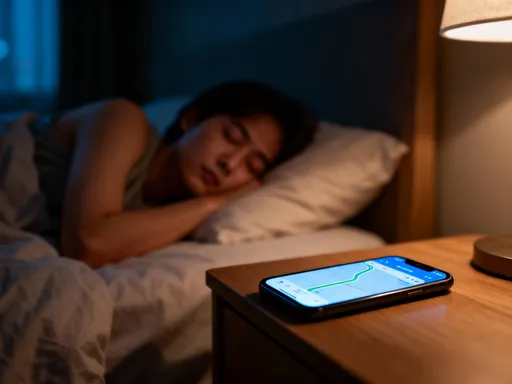
Imagine this: it rains all day, and everyone comes home with wet shoes. In the past, you might have tossed them by the door, promising to deal with them “later.” But later never comes. Now, your smart cabinet sends a quiet notification: “Shoes detected with moisture. Would you like to activate drying mode?” You tap yes, and the system runs a gentle cycle overnight. No effort, no reminder nagging in your mind. Just fresh, dry shoes in the morning.
Or think about seasonal changes. One family I spoke with used to spend the first weekend of winter digging out snow boots from the back of the closet. Now, their cabinet senses the temperature drop and sends a friendly alert: “Time to switch to winter footwear?” It’s not pushy—it’s helpful. And over time, these small prompts become part of the family rhythm. Kids start expecting them. “Mom, did the cabinet say it’s cold yet?”
These aren’t just conveniences. They’re habit builders. When technology handles the small decisions, you free up mental space for what matters—like asking your daughter about her day or planning a weekend outing. And for parents, that’s priceless. You’re not just raising kids. You’re modeling how to live with intention, how to care for your things, and how to move through the day with a little more ease.
One dad told me, “I used to think tech was for gamers or young singles. But this? This helps me be a better parent. I’m less stressed, so I’m more present. And my kids are learning to take care of their stuff without me yelling about it.” That’s the kind of impact that doesn’t show up in a product spec sheet—but it shows up in your life.
Beyond Convenience: Building Emotional Connection
Here’s what I’ve learned after talking to dozens of families: when the little things work, the big things get easier. When you’re not nagging about shoes, you have more patience for real conversations. When mornings are smoother, you have time to sit down with a cup of coffee and really talk. And when your home feels like a partner in your daily life, you feel more grounded.
One mom shared a moment that stuck with me. She said, “Last week, my son chose his ‘adventure shoes’ before school—these bright red sneakers he loves. He looked up at me and said, ‘These make me feel brave.’ And I realized—this isn’t just about shoes. It’s about how we start the day. When he feels good about what he’s wearing, he walks into school with confidence.”
That’s the emotional layer of smart design. It’s not just about storage. It’s about dignity, about self-expression, about feeling supported. When a child knows their favorite shoes are clean, ready, and easy to find, it sends a message: you matter. Your choices matter. Your comfort matters.
And for adults? It’s about reclaiming peace. One woman told me, “I used to feel guilty if the house was messy. Now, I don’t have to choose between being a good mom and having a tidy home. The cabinet helps me do both. And when I’m not stressed, I’m more patient, more loving, more like the person I want to be.”
That’s the real gift of this kind of tech—not the sensors or the apps, but the emotional space it creates. It doesn’t replace love or connection. It makes room for them.
Choosing and Using a System That Works for You
If you’re curious about trying a smart shoe cabinet, here’s my advice: start small. You don’t need the most advanced model to see benefits. Think about your biggest pain point. Is it wet shoes? Lost pairs? Lack of space? Look for a cabinet that solves that one problem well. Maybe it’s one with a drying function. Or a compact design that fits in your hallway. The goal isn’t to overhaul your home—it’s to make one moment easier.
Next, involve your family. Let everyone share what they’d love in a shoe system. Kids might care about fun colors or easy access. Your partner might want space for work shoes. When people feel heard, they’re more likely to use and respect the system. And don’t worry about getting it perfect. You can always adjust shelf heights or change settings later.
When you bring the cabinet home, take time to set it up together. Show the kids how it works. Make it a little event—“This is our new shoe helper!” Celebrate the small wins, like the first morning when no one yells about missing sneakers. And be patient. Habits take time to form, and that’s okay.
Finally, remember why you’re doing this. It’s not about having the fanciest entryway on the block. It’s about creating a home that supports your life, your family, and your well-being. It’s about choosing tools that help you feel more in control, more calm, and more connected. And sometimes, that starts with something as simple as a pair of shoes.
So the next time you stand in your entryway, shoes scattered around you, take a breath. Ask yourself: what if this moment could be easier? What if, instead of stress, it could be a chance to connect? Because when the little things work, the big things have room to grow. And that’s not just smart tech—that’s smart living.