From Silent Drives to Shared Stories: The Commute App That Connected My Family
Imagine driving home, coffee in hand, silence filling the car—again. You’re physically present, but emotionally miles apart. What if those quiet minutes could become moments of connection? Of laughter, memories, family voices from the past? This isn’t about another productivity app. It’s about turning ordinary commutes into meaningful conversations, one recorded story at a time. I discovered a simple tool that transformed my daily drive—and quietly brought my family closer. It didn’t require extra time, big gestures, or perfect conditions. Just the courage to press record and say, ‘I remember when…’
The Empty Space in Our Daily Routines
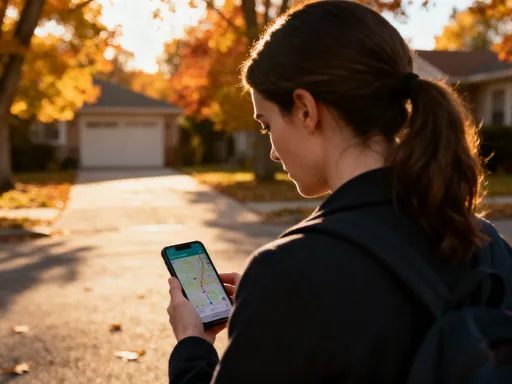
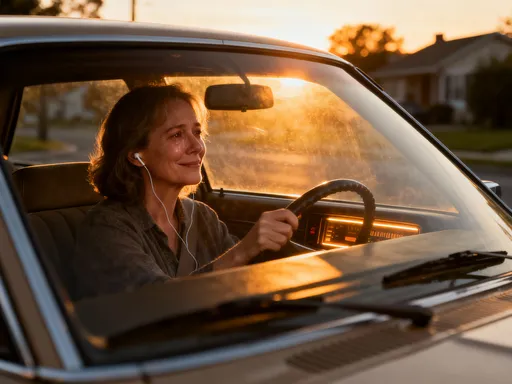
There’s a kind of quiet that doesn’t feel peaceful—it feels distant. For years, my evening commute was the same: turn the key, adjust the mirror, merge into traffic, and drive in silence. My phone was charged, my playlist ready, but something was missing. Not music, not news, not even company. I missed the hum of connection—the kind that used to come naturally when we all lived under one roof, when dinner wasn’t eaten over laptops, and when bedtime stories were told by voice, not screen.
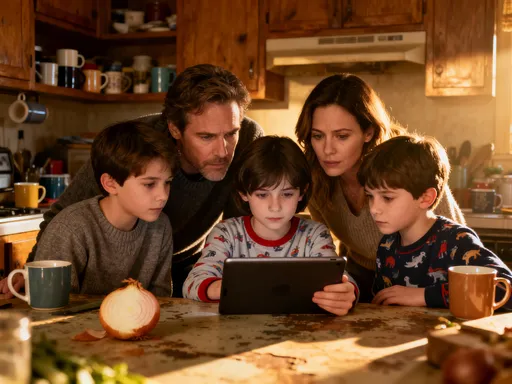
It wasn’t until I heard my youngest say, ‘I wish Grandma was here to tell me that story again,’ that it hit me. We were losing more than moments—we were losing voices. The way my father laughed when he told the same joke every Thanksgiving. The lullaby my aunt used to sing when I was sick. These weren’t just memories. They were threads in the fabric of who we are. And they were slipping away, not with a bang, but with silence.
Technology has given us so much—video calls, photo albums in the cloud, instant messages—but it hasn’t always helped us feel closer. If anything, we’re more connected than ever and somehow, less heard. I realized those 20 minutes in the car weren’t empty space. They were waiting. Waiting for a voice. Waiting for a story. Waiting for us to finally listen.
How a Simple App Brought Back Family Voices
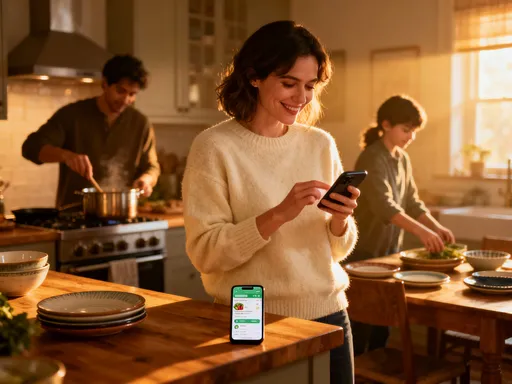
It started with a recommendation from a friend who said, ‘You’ve got to try this—your mom would love it.’ I almost deleted the app right after downloading. Another notification. Another thing to manage. But something made me open it. The interface was clean, simple—no flashing icons, no complicated menus. Just a big microphone button and a message: ‘Record a memory. Share it with someone who matters.’
I sat in my parked car one afternoon and recorded my first message: ‘Remember Mom’s pancake Sundays? The ones with the slightly burnt edges and the way she’d stack them like a tower?’ I clicked send to my brother and sister. I didn’t expect much. But two hours later, my phone buzzed. It was my brother, driving home, listening. His voice came through: ‘Oh my gosh, I forgot about the syrup war! You always stole the big bottle.’ We laughed. Not over text. Not in a group chat. But in real time, through a story that had been sitting in my heart for years.
The app works by syncing with each person’s daily commute. If your sister drives to work at 8:15, the app delivers your story then. If your dad walks to the train at 7:45, that’s when he hears from you. It doesn’t interrupt. It fits in. And because it’s audio—your actual voice, with all its warmth and pauses and laughter—it feels personal in a way text never can. We weren’t just sharing updates. We were sharing presence.
Within a week, my sister sent a recording of her daughter singing the same silly song my mom used to sing. I played it on my drive and cried at a red light. Not because it was sad, but because it was real. The app didn’t create these moments. It just gave them a place to live.
Turning Commutes into Emotional Journeys
Here’s what I didn’t expect: I started looking forward to traffic. That used to be my least favorite part of the day—sitting still, engine running, watching the same brake lights stretch into the distance. But now, when I’m stuck, I check the app. And more often than not, there’s a message waiting. Last week, it was my niece describing her first day of second grade. ‘I made a new friend named Lily,’ she said, her voice small but proud. ‘And I didn’t cry when Mom left, even though I wanted to.’ I smiled so wide I had to adjust my sunglasses.
Commuting is a unique mental space. You’re not at work. You’re not at home. You’re in between. And that in-between time? It’s where reflection happens. It’s where we let our guard down. The app delivers stories right into that soft spot—when we’re most open to feeling, remembering, connecting. It’s not background noise. It’s emotional nourishment.
I’ve heard my cousin talk about losing her job and finding a new one. I’ve listened to my brother reflect on becoming a father. These aren’t grand speeches. They’re quiet confessions, shared in 90 seconds while waiting in a school pickup line or parked outside a grocery store. But they’ve changed the way I see my family. We’re not just people who share a last name. We’re people who carry each other’s stories.
And here’s the thing—these moments don’t require planning. I don’t need to carve out special time. I don’t need to schedule a family call. The app uses the time I already have. It turns dead space into living memory. And that makes all the difference.
Building a Living Family Archive, One Story at a Time
We’ve all seen those perfectly curated photo albums—smiles timed just right, backgrounds blurred for effect. But real life isn’t like that. It’s messy. It’s full of pauses, stumbles, laughter in the wrong places. And that’s exactly what makes it precious. Over the past year, our family has built something I never thought possible: a living archive of our voices.
The app automatically organizes recordings by speaker, date, and theme. You can search ‘childhood memories’ or ‘holidays’ or ‘funny moments’ and instantly hear a collection of stories. My aunt recorded how she met my uncle during a snowstorm in Chicago. My cousin shared the moment she got her acceptance letter to nursing school, her voice breaking. My dad told the story of how he taught me to ride a bike—and how I crashed into the neighbor’s mailbox.
These aren’t performances. They’re not meant for an audience. They’re meant for us. And because they’re audio, they carry something photos can’t: tone, emotion, the way someone’s voice changes when they’re holding back tears or trying not to laugh. I can hear the pride in my mom’s voice when she talks about my graduation. I can hear the worry beneath my brother’s words when he talks about money. These are the hidden layers of love—the ones we don’t always say out loud.
What’s powerful is that this archive grows quietly, without pressure. No one has to be ‘on.’ No one has to be perfect. You just speak. And over time, the collection becomes a mirror of your family’s journey. It’s not about preserving the past. It’s about keeping it alive in the present.
Making It Work for Real Life (No Perfection Needed)
I’ll be honest—I was nervous the first time I recorded. My voice sounded too high. I stumbled over words. I worried it wasn’t ‘good enough.’ But then I remembered: this isn’t about quality. It’s about showing up. And the beauty of this app is that it meets you where you are. You don’t need a quiet room. You don’t need a fancy microphone. You don’t even need to know what to say.
One morning, I was waiting in the school pickup line, engine running, staring at the same minivans in front of me. I opened the app and said, ‘Remember when we got lost on that road trip to the mountains? And Dad kept saying, “I know exactly where we are,” but we were clearly not on any map?’ I sent it to my siblings. That one message sparked a week of back-and-forth stories. My sister shared how we survived on gas station snacks. My brother remembered the time a deer jumped in front of the car and we all screamed like we were in a horror movie.
The app doesn’t ask for hours. It asks for moments. Two minutes while you’re brewing coffee. Three while you’re folding laundry. It’s not about creating a podcast. It’s about saying, ‘I’m here. I remember. I care.’ And that’s enough.
My friend Lisa tried it with her teenage daughter, who was skeptical at first. ‘Mom, no one wants to hear my voice,’ she said. But Lisa recorded a story about her own teenage years—how she dyed her hair purple and her mom grounded her for a month. Her daughter listened—and then recorded one back. Now they share a story every Friday. ‘It’s not therapy,’ Lisa told me. ‘But it feels like love.’
Strengthening Bonds Across Generations
One of the most beautiful surprises has been watching my mom embrace this. She’s 78. She uses email only when necessary. She still calls my iPhone a ‘little television.’ But she records a story every Sunday after church. Sometimes it’s about her childhood in Ohio. Sometimes it’s about my dad when they were young. She doesn’t see it as technology. She sees it as talking to her kids.
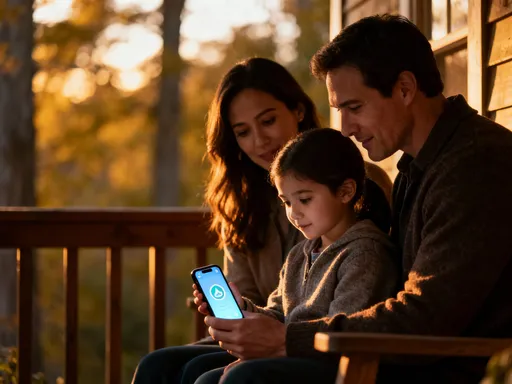
My children listen to her on their way to soccer practice or piano lessons. They’ve heard her talk about walking to school in the snow, about how she met my dad at a diner, about the fear and joy of becoming a mother. These aren’t history lessons. They’re relationships in motion. My daughter told me, ‘Grandma’s voice makes me feel safe.’ That hit me right in the heart.
For older generations, this app isn’t about staying current. It’s about being heard. It’s about knowing their stories matter. For younger ones, it’s about feeling rooted. It’s about understanding where they come from, not from a textbook, but from a voice that loves them.
We often worry about the gap between generations. But sometimes, all it takes is a 90-second recording to close it. I’ve watched my nephew ask his grandfather questions after hearing a story about the war. I’ve seen my cousin’s daughter draw a picture of her great-grandmother based on a memory she heard in the car. These connections don’t happen by accident. They happen when we make space for stories.
A New Rhythm for Modern Family Life
Life doesn’t slow down. If anything, it speeds up. There are more tasks, more screens, more demands on our attention. But this small shift—this simple act of recording and listening—has changed the rhythm of our family life. We’re not waiting for holidays or reunions to connect. We’re connecting every day, in the in-between moments we used to ignore.
The app didn’t add more to my day. It gave meaning to what was already there. Those 20 minutes in the car used to be a transition. Now they’re a ritual. A moment to hear my sister laugh. To hear my mom’s wisdom. To hear my niece’s dreams. It’s not about the technology. It’s about what the technology carries: love, memory, continuity.
I used to think connection required big efforts—planned visits, long calls, perfect timing. But I was wrong. Connection happens in the smallest spaces, when we’re brave enough to say, ‘I remember this,’ and kind enough to listen when someone else does.
We’re not just sharing stories. We’re building a legacy. One drive, one voice, one memory at a time. And if you’re sitting in your car right now, silence around you, I want you to know: it doesn’t have to stay that way. Press record. Say something real. Share it with someone who matters. Because the most powerful technology isn’t in the app. It’s in your voice. And someone out there is waiting to hear it.