Tracked My Family’s Health for 18 Months: How One Shopping App Kept Us Closer and Healthier
Staying on top of my family’s health used to feel like juggling blindfolded—until I realized our weekly online grocery orders could do more than feed us. What if the app I already used could remind me Mom’s vitamin D was running low, or that my teen needed more iron? This isn’t about high-tech gadgets; it’s about using what we already have in smarter, warmer ways. One small shift changed how we care. And the best part? I didn’t need a new device, a fitness tracker, or a complicated health dashboard. Just my phone, my usual routine, and a little attention to what we were already buying.
The Overwhelm of Caring for Everyone (But Feeling Like You’re Failing)
Let’s be honest—being the family health keeper is exhausting. I’m not a doctor, but somehow, I’m the one remembering when my daughter’s allergy shots are due, checking expiration dates on supplements, and noticing when my husband’s blood pressure meds are running low. There was a moment last winter when everything came crashing down. I forgot to refill my mom’s thyroid medication for over a week. She didn’t tell me she was feeling sluggish, cold, and unusually tired—she didn’t want to bother me. But when I finally visited, the empty bottle on her counter hit me like a slap. I felt like I’d failed her. And it wasn’t just her. My son had been yawning through school for days, and I chalked it up to late-night gaming. Turns out, his iron levels were low. The pediatrician asked, ‘Has his diet changed?’ I didn’t even know to look.
That’s when it hit me: I was trying to manage everyone’s health with nothing but sticky notes, memory, and guilt. There was no system, no rhythm—just reaction after reaction. I was so focused on keeping everyone fed, clothed, and on time that I missed the quiet signals their bodies were sending. And I know I’m not alone. So many of us are doing this—holding our families together with invisible threads, feeling like we’re failing even when we’re doing our best. The weight of it can make you feel isolated, even in a house full of people. But what if we didn’t have to carry it all in our heads? What if the tools we already use every week could help us pay attention in a gentler, smarter way?
Discovering the Hidden Power in Our Weekly Grocery List
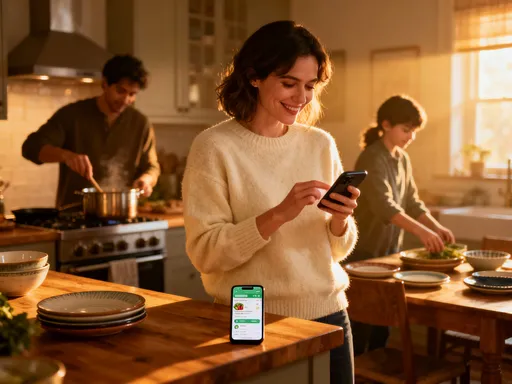
The breakthrough didn’t come from a doctor’s appointment or a wellness blog. It came from my grocery cart. One rainy Tuesday, I was scrolling through my usual order on the app—almond milk, whole grain bread, the magnesium gummies my husband takes for sleep—when I noticed something strange. The app suggested I might want to reorder the gummies. They’d been two weeks overdue. And then it hit me: this app knows more about my family’s health than I realized. It tracks what we buy, how often, and when we run low. It remembers the gluten-free pasta for my daughter’s sensitivity. It knows Dad buys turmeric every three weeks. These aren’t just groceries—they’re clues.
I started looking at my order history like a health journal. I saw patterns I’d never noticed before. When my daughter was stressed before exams, her snack orders leaned toward sugary treats. When my husband’s sleep was off, he’d buy more herbal tea and less coffee. Mom’s produce purchases had dropped by nearly half over three months—something I hadn’t picked up on during our weekly calls. The data was there, quietly waiting. I didn’t need a new wearable or a complicated health app. I just needed to pay attention to what I was already doing. And the beauty of it? No one had to change their routine. No extra steps, no guilt, no pressure. Just a shift in perspective—seeing the grocery app not just as a shopping tool, but as a quiet partner in care.
How Auto-Reminders Became Our Family’s Quiet Safety Net
Once I started seeing the patterns, I wanted to make them work for us. The first thing I did was set up auto-reorder reminders for key health items. I tagged the magnesium gummies, Mom’s vitamin D, and my son’s omega-3s as ‘frequent buys’ and turned on notifications. Now, two days before we’re likely to run out, the app pings me: ‘Time to restock?’ It’s small, but it’s powerful. No more scrambling when someone’s supplement runs out. No more guilt over forgetting.
Then came the surprises. The app started making smart suggestions. After I added a blood pressure monitor to Dad’s list, it began recommending low-sodium soups and reduced-salt seasoning blends. At first, I ignored them. But then I tried one—low-sodium tomato basil—and Dad said it was better than the old one. ‘Less harsh on my stomach,’ he said. The algorithm wasn’t just selling me products; it was gently guiding us toward healthier choices. And because it felt effortless, we actually followed through. I didn’t have to research low-sodium options or argue with Dad about his diet. The app did the work, and he felt respected, not nagged.
There was another moment that changed everything. My daughter had been complaining of fatigue, but her doctor said she was ‘within normal range.’ Still, I wondered. I checked her grocery history and noticed she hadn’t bought red meat in over two months—she’d switched to plant-based meals. I added a few iron-rich items to her list: lentils, spinach, fortified cereal. I didn’t make a big deal out of it. I just said, ‘These are on sale—want to try them?’ Two months later, her energy was back. Her iron levels had improved. The doctor called it a ‘lifestyle adjustment.’ I called it paying attention.
Turning Meal Plans into Health Check-Ins
I started using the meal planning feature differently. Instead of just planning for convenience, I began treating it as a weekly health check-in. Every Sunday, I’d sit down with the app and think: What does each person need this week? For my husband, who’s been managing mild hypertension, I’d plan meals with more potassium-rich foods—bananas, sweet potatoes, avocado. For my daughter, if she’d been stressed, I’d add more complex carbs and omega-3s—oats, walnuts, salmon.
One week, I noticed my mom’s hydration had dropped. Her tea and water orders were sparse. I didn’t want to nag her over the phone, so I added a few boxes of herbal tea and a large pack of electrolyte-enhanced water to her delivery. I left a note in the app: ‘Thought you might like these—staying hydrated keeps the joints happy!’ She called me the next day, touched. ‘You always know what I need,’ she said. It wasn’t magic. It was just data with love.
The app’s ‘frequently bought together’ feature became a stealthy wellness coach. When I added Greek yogurt to my cart, it suggested blueberries and chia seeds—both brain-boosting foods. When I ordered oat milk, it reminded me to grab B12 supplements, which are important for plant-based diets. These weren’t pushy ads. They were thoughtful nudges, like a friend whispering, ‘Hey, don’t forget this.’ And because they came in the flow of shopping, they felt natural, not overwhelming. I wasn’t ‘on a diet’ or ‘fixing’ anyone. I was just making small, consistent choices that added up.
Bridging Distance with Shared Lists and Silent Support
Living miles from my parents used to make me anxious. I worried about Mom eating enough, about Dad skipping meals when he was busy in the garden. We talked every week, but words only go so far. Then I invited them to share a grocery list with me. It wasn’t about control—it was about connection. I didn’t change anything they bought. I just watched, quietly, and added things when I noticed a gap.
One month, Mom’s fresh fruit and vegetable orders dropped sharply. She was buying mostly bread, canned soup, and tea. I didn’t confront her. I just added a colorful produce box—carrots, apples, leafy greens—and left a note: ‘These looked delicious—hope you enjoy!’ Two days later, she called. ‘I haven’t been feeling well,’ she admitted. ‘Urinary tract infection. The doctor caught it early.’ She said seeing the fresh food made her want to eat better again. That list didn’t just deliver groceries—it delivered care. And it gave me peace of mind.
With my sister, we created a ‘family wellness swap’ list. We share tips, like which brand of probiotics helped with bloating, or which gluten-free pasta holds up best. We don’t compete or judge. We just support. Last month, she added a new magnesium oil spray she loved. I tried it for my restless legs—and it worked. These shared lists became a new kind of family language. We’re not just sharing recipes or sales. We’re sharing health. And it’s brought us closer, even when we’re apart.
Privacy, Simplicity, and Staying in Control
I know what you’re thinking: ‘Isn’t this giving too much data to a company?’ And I asked myself the same thing. But here’s what I’ve learned: you don’t have to share anything you’re not comfortable with. I didn’t link medical records or wearables. I didn’t give access to anyone’s personal health info. I just used the data the app already had—our purchase history—and looked at it with new eyes. You can label your lists, add private notes, and turn off personalized suggestions if you want. It’s your data, your rules.
I also made sure it stayed simple. I didn’t turn it into a chore. I didn’t track every bite or obsess over every purchase. I just paid attention to the big things—the supplements, the dietary needs, the patterns that mattered. I used the ‘notes’ field in the app to jot down things like ‘Dad—take with food’ or ‘Daughter—best before exam week.’ These tiny details made the system work for us, not against us.
And I stayed in control. I didn’t let the app decide for me. I used it as a tool, not a boss. When it suggested a new protein bar, I checked the sugar content. When it recommended a ‘health blend’ tea, I read the ingredients. I stayed curious, not passive. This isn’t about letting technology take over. It’s about using it wisely—like a good kitchen knife. It doesn’t cook the meal, but it makes the job easier, safer, and more precise.
Small Tech, Big Care: Building a Healthier Family Rhythm
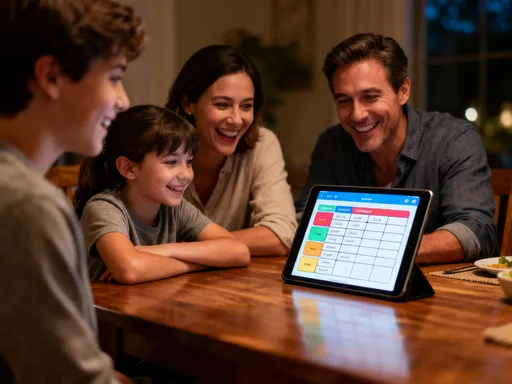
Eighteen months in, I can say this: our family is healthier, yes—but more than that, we’re more connected. The grocery app didn’t fix everything. But it gave us a rhythm, a way to care that doesn’t rely on memory or guilt. It turned small, everyday actions into acts of love. Reordering Mom’s vitamins isn’t a chore—it’s a message: ‘I’m thinking of you.’ Adding iron-rich foods to my daughter’s list isn’t nagging—it’s support. Planning heart-healthy meals for my husband isn’t restriction—it’s respect.
What I love most is that it’s sustainable. It doesn’t require perfection. Some weeks, we still order pizza and ice cream. And that’s okay. Health isn’t about being flawless. It’s about being consistent, kind, and present. This approach fits into real life—messy, busy, beautiful life. It’s not about tracking every calorie or hitting step goals. It’s about using what we already do—like grocery shopping—to show up for the people we love.
So here’s my invitation to you: next time you open your shopping app, look at your cart a little differently. What does it say about your family’s health? Are there gaps? Patterns? Quiet signals waiting to be heard? You don’t need a new gadget or a complicated plan. You just need to notice. Because sometimes, the most powerful tool for care isn’t in a doctor’s office or a lab—it’s in your pocket, in an app you already use. And it’s ready to help you love your family a little better, one grocery order at a time.