From Chaos to Calm: The App That Brought Our Family Closer Without the Stress
Imagine this: you’re in the middle of a work call when your teen texts, panicked, because they missed the bus. Your aging parent hasn’t checked in all day. Your partner’s already annoyed you forgot to pick up milk—again. Family life often feels like a high-wire act with no net. Everyone’s counting on you, but you’re running on coffee and guilt. You love your people deeply, but the constant juggling—schedules, safety, messages, reminders—leaves you drained before dinner. What if a simple tool could turn that chaos into connection? Not perfection—just peace, clarity, and a little more breathing room. That’s exactly what happened when we found the right app.
When Family Feels Like a Full-Time Job (And You’re Already Burned Out)
Let’s be honest—most of us didn’t sign up for the role of family operations manager. Yet here we are, mentally tracking everything: who has soccer practice, who needs a ride to the dentist, whether Grandma took her pills this morning. It’s not just the tasks; it’s the invisible load of remembering. You’re not just a mom, a daughter, a partner—you’re the human Google Calendar with emotions. And it’s exhausting. I remember one Tuesday, completely average on paper, when everything cracked open. My youngest forgot her science project at home, my phone died during my dad’s doctor visit, and my husband showed up to an empty fridge because I’d meant to stop for groceries but got stuck in traffic. No emergencies, no disasters—just the slow drip of disconnection. That night, lying awake, I realized: it wasn’t the big things breaking me. It was the tiny, daily missteps piling up like unread texts. I wasn’t failing because I didn’t care. I was failing because I was trying to do it all in my head.
And I know I’m not alone. So many women I talk to—friends, neighbors, even strangers in the school pickup line—share the same story. We’re not lazy. We’re overloaded. The mental load isn’t about being forgetful; it’s about carrying everyone else’s to-do list in your brain while trying to live your own life. The stress doesn’t come from one missed appointment. It comes from the constant fear of dropping the ball. What if someone gets hurt? What if I don’t know where my child is when they’re supposed to be home? What if my mom falls and can’t reach her phone? These aren’t dramatic fears—they’re quiet, persistent worries that hum in the background of our days. We want to be present, to enjoy the moments, but we’re too busy managing the mess. That’s when I started looking for something different—not another reminder app, but a real shift in how we stay connected.
How One App Changed the Way We Talk (Without the Text Spam)
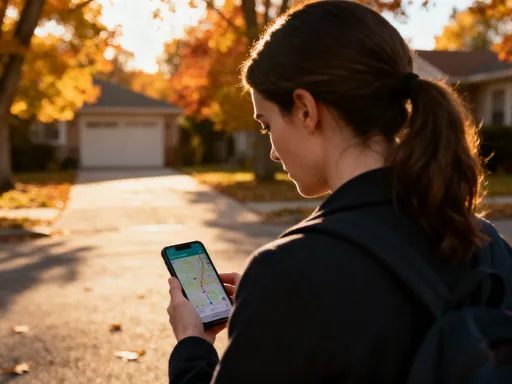
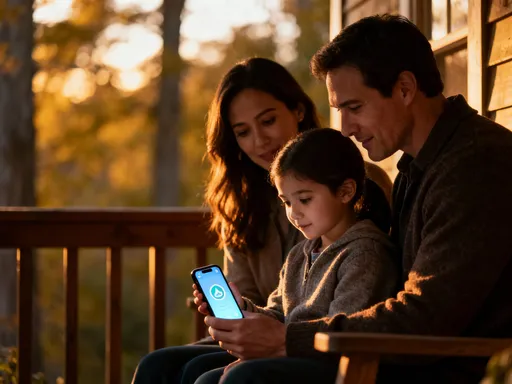
It started with a simple search: “How do I stop texting my kids 50 times a day?” I wasn’t trying to spy. I just wanted peace of mind. That’s how I found a family safety app—one that’s widely used and trusted by millions, like Life360 or a similar platform. At first, I’ll admit, I was skeptical. Another app? More notifications? But what surprised me was how it actually reduced the noise. Instead of firing off “Where are you?” or “Did you leave school yet?” every afternoon, I could see—calmly, quietly—when my daughter’s phone left the school parking lot. No nagging. No tension. Just knowing.
And here’s the thing: it didn’t just help me. It helped her. My daughter, who used to roll her eyes at my check-in texts, started appreciating it too. “Mom, I’m at Maya’s, and you can see I got here safe,” she’d say, not because she had to, but because she knew I worried. The app didn’t replace our conversations—it made room for better ones. Instead of “Did you eat?” or “Are you home yet?”, we could talk about her day, her dreams, the boy she liked in math class. The logistics faded into the background, and the connection moved to the front. My husband noticed it too. “You’re less tense in the evenings,” he said. And he was right. When you’re not constantly chasing information, you have more energy to just be with the people you love.
Even my aging parents joined in. My mom lives two hours away, and I used to call her every evening just to make sure she was okay. Now, with a simple check-in feature, she taps a button when she’s up and about, and I get a quiet notification. No pressure. No guilt. Just reassurance. It’s not about replacing calls—it’s about reducing the anxiety that makes us call in the first place. We talk more now, not because we have to, but because we want to.
It’s Not About Spying—It’s About Trust with Tools
I get it. The word “tracking” can feel heavy. When I first mentioned the app to my teenager, she said, “So you want to watch me all day? That’s so creepy.” And I didn’t blame her. If I hadn’t tried it, I might have felt the same. But here’s what I learned: location sharing isn’t about control. It’s about care—when it’s used with honesty and respect. So we talked. Really talked. We sat down as a family and set rules together. My daughter could turn off location after 10 p.m. if she was at a friend’s house. My husband and I agreed not to check each other during work hours unless something was urgent. My mom only shares her location during the day, when she’s out running errands.
Those boundaries made all the difference. It wasn’t about surveillance—it was about agreement. And funny enough, the more we trusted the tool, the more we trusted each other. My daughter started initiating check-ins on her own. “Hey Mom, I’m leaving the library, be home in 20.” That never happened before. The app didn’t replace our trust; it reinforced it. We weren’t using tech to fill a gap in our relationship—we were using it to protect the connection we already had. And that’s the key: this isn’t about watching. It’s about knowing—knowing your people are safe, knowing they’re okay, knowing you’re not alone in carrying the worry.
I’ve had friends ask, “But doesn’t it make your kids too dependent?” I think the opposite is true. When they know we’re not going to panic or interrogate them when they get home late, they’re more likely to be honest. They’re not hiding. They’re just living. And we’re not chasing. We’re just caring. That’s not control. That’s peace.
Beyond Location: How Safety Alerts Prevented a Real Scare
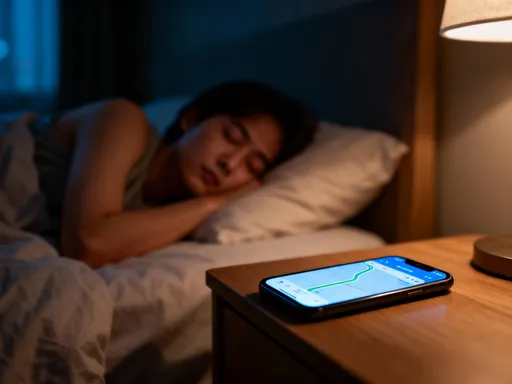
Then came the day the app did more than just ease anxiety—it actually helped. My dad, who’s in his late 70s, was walking his dog in the rain when he slipped on the wet pavement. He didn’t fall hard, but his phone detected a sudden impact and sent an alert to our family group. I got the notification: “Possible crash detected.” No drama. No guesswork. Just a simple message that something might be wrong.
I called him immediately. He answered, a little shaken but okay. I asked if he needed me to come over. He said yes. I was able to leave work early, drive over, and make sure he wasn’t hurt. He hadn’t even thought to call me—he didn’t want to worry me. But the app did what he wouldn’t: it spoke up. That moment changed everything for me. This wasn’t about convenience anymore. It was about real, tangible safety. Not for the dramatic emergencies we see on TV, but for the quiet, unexpected moments that could turn serious if no one knew.
Another time, my son’s phone battery died during a long bus ride home from a field trip. The app sent a low-battery alert, and we knew his location before he went offline. My husband picked him up without any confusion or waiting. No frantic calls. No missed connections. Just smooth coordination. These features—crash detection, low-battery alerts, even driving reports—aren’t about fear. They’re about preparedness. They’re like seatbelts: you don’t wear them because you expect a crash. You wear them because you care.
And the best part? Most of the time, nothing happens. The alerts stay quiet. But knowing they’re there—like a quiet guardian in your pocket—makes all the difference. It’s not about living in fear. It’s about living with confidence.
Making It Work for Your Family: Simple Setup, Real Rules
You might be thinking, “This sounds great, but how do I even start?” Honestly, it’s easier than you’d think. The first step is choosing a reliable app—one that’s well-reviewed, secure, and designed for families. Look for one with features like location sharing, check-in reminders, driving alerts, and battery notifications. Download it on your phone and invite your family members through email or phone number. Most apps let you create a private family circle, so only approved people can see each other’s info.
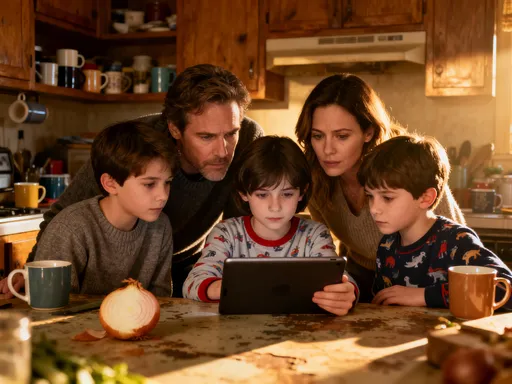
But here’s the real secret: the tech is only half of it. The other half is the conversation. Sit down together—over dinner, on a weekend morning—and talk about why you’re doing this. Make it clear: this isn’t about control. It’s about care. Let everyone have a say. Let your teen suggest rules. Let your parents decide when they’re comfortable sharing location. Use nicknames to keep it light—“Home Base,” “Adventure Squad,” whatever makes it feel like your family’s thing.
Start small. Maybe just turn on location sharing during school hours. Or use the check-in button for weekend trips. Link it to routines: when your partner leaves work, you know dinner prep can begin. When your child arrives at tutoring, you can stop wondering. The goal isn’t perfection. It’s peace. And it’s okay if someone forgets to check in. It’s okay if the app glitches. What matters is the intention: we’re doing this because we care, not because we doubt.
One tip: keep it human. Don’t let the app replace real talk. Use it to enable connection, not avoid it. A quick “Saw you got home safe—love you!” text means more than a dozen “Where are you??” messages. And if someone wants out? Respect that. This only works if everyone feels safe and respected.
When Tech Meets Heart: The Unexpected Emotional Payoff
Here’s what I didn’t expect: the app didn’t just make life easier. It made us closer. With less mental energy spent on logistics, we had more room for love. My daughter started calling me just to chat. My husband stopped keeping a mental list of my “missed” errands. My mom felt more connected, not less, because she knew we were looking out for her—without smothering her.
One afternoon, I got a message from my son: “I’m outside. Want a ride to the store?” He was at a friend’s house, saw I was nearby, and reached out. That kind of spontaneous connection never happened before. We were always too busy playing phone tag. Now, because we could see each other’s general location—no pressure, no stalking—small moments of togetherness just… happened. It felt natural. Easy. Human.
And the emotional shift went deeper. I felt less anxious. More present. When my kids came home, I wasn’t mentally scanning my list of “did I remind them about…” I could just greet them with a smile. My husband noticed. “You seem lighter,” he said. And I was. Because I wasn’t carrying everything alone anymore. We were sharing the load—not just the chores, but the worry, the care, the connection. The app didn’t create love. It removed the noise so love could be heard.
I’ve even started using it for joy. When my niece has her dance recital, I get a little ping that she’s arrived safely. When my sister heads out on a road trip, I know she’s on the road. It’s not just for safety—it’s for celebration. For being part of each other’s lives, even when we’re apart.
Not a Fix, but a Foundation: Building Calmer Days, One Tap at a Time
Let’s be clear: no app can replace a hug, a heartfelt talk, or the patience it takes to raise a family. Tech isn’t the answer to every challenge. But when used with care, it can be a powerful support. It can give you back time. It can ease your mind. It can create space—for breath, for presence, for the little moments that matter most.
What I’ve learned is this: family isn’t about perfection. It’s about showing up. And sometimes, the best way to show up is to stop chasing details and start connecting. This app didn’t fix my family. It helped us breathe. It helped us trust. It helped us care—without the chaos.
If you’re feeling overwhelmed, if you’re tired of the constant ping of worry, I’ll say this: try one feature. Just one. Invite one person. Talk about it. Make it yours. See how it feels to know—really know—that your people are okay. See how it changes the tone of your home. You might be surprised at how a little less stress can lead to a lot more love.
Because at the end of the day, we’re not raising kids or caring for parents to prove we can do it all. We’re doing it because we love them. And sometimes, the most loving thing we can do is use a simple tool to make that love a little easier to share.