Tired of family health chaos? How one simple report brought us all together
Family life is full of love, but let’s be honest — keeping everyone’s health on track? That’s where the stress sneaks in. You’re juggling doctor visits, medications, school forms, and that endless mental list of who needs what. I used to feel like I was failing my family just by forgetting a vaccine date. Then came a tiny tech shift that changed everything: sharing one clear health report. It didn’t just organize data — it brought us closer, calmer, and more in sync than ever.
The Moment Everything Felt Out of Control
It was 2 a.m. when my youngest started coughing — not just any cough, but that deep, rattling kind that makes your stomach tighten. I bundled her up, raced to the urgent care, and stood there in the dimly lit waiting room, trying to remember her medical history. Did she have an allergy to penicillin? When was her last asthma check-up? Was she up to date on her vaccines? I fumbled through my phone, scrolling past photos and grocery lists, wishing I had something — anything — that pulled it all together. The nurse asked questions, and I kept saying, "I think…" or "Maybe?" I felt helpless. And worse — I felt like I wasn’t doing enough for my child.
That night wasn’t the first time I’d felt this way. Like many of us, I’ve been the family’s unofficial health manager — the one who remembers which kid needs gluten-free snacks, who’s due for a check-up, and when Grandpa’s blood pressure meds were last adjusted. But memory isn’t enough. Paper files get lost. Notes in phones get buried. And when someone else — a relative, a school nurse, a babysitter — needs to help, they’re left guessing. The truth is, our family’s health information was scattered, incomplete, and stressful to manage. It wasn’t just inconvenient — it was emotionally draining. I wasn’t just tired. I was worried. What if something happened and no one knew what to do?
What I didn’t realize then was that I wasn’t alone. So many moms, caregivers, and even dads feel this same pressure — the invisible weight of holding everyone’s well-being in their heads. And it’s not just about emergencies. It’s the daily grind: explaining your daughter’s food sensitivities to the birthday party host, making sure your teen takes his allergy meds before soccer practice, or helping your aging mom remember her appointment times. Without a clear system, it’s easy to feel like you’re always one step behind. But that night in the clinic changed something in me. I decided I didn’t want to live in reactive mode anymore. I wanted clarity. I wanted peace. And most of all, I wanted my family to feel safe — not just physically, but emotionally, knowing we were all on the same page.
Meet the Tool That Changed Our Rhythm
The solution didn’t come from a fancy hospital or a complicated app. It started with a simple idea: what if all our health information could live in one place — and be easy to understand? I began looking for tools that weren’t designed for doctors, but for families like mine. Something that didn’t require a tech degree to use. That’s when I discovered health summary platforms — digital tools that pull together information from different sources and turn it into a clean, readable report. No charts full of jargon. No endless scrolling. Just one document, updated regularly, that anyone in the family could read.
Here’s how it works: if you’re already using a fitness tracker, a smart scale, or even just logging doctor visits in your calendar, the platform connects those dots. It can pull in vaccination records from your pediatrician’s portal, sleep data from your child’s wearable, or medication lists you’ve entered manually. The magic isn’t in the technology itself — it’s in how it simplifies. Think of it like a family health dashboard, but instead of flashing lights and numbers, it gives you a story. A story about how your son slept better after cutting screen time before bed. Or how your daughter’s energy improved when she started drinking more water. It’s not about perfection — it’s about awareness.
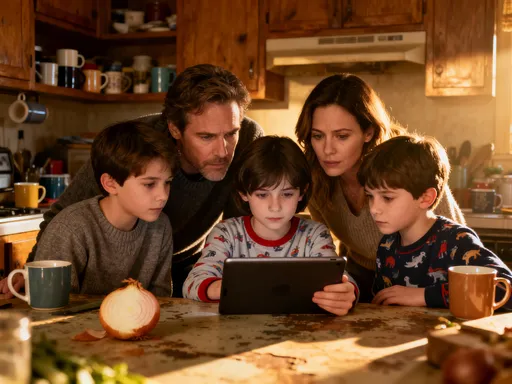
The first time I generated our family’s health report, I was stunned. I thought I knew everything about my kids’ health. But the report showed gaps — missed follow-ups, inconsistent sleep patterns, even a medication that hadn’t been reviewed in over a year. It wasn’t judgmental. It wasn’t scary. It was just… honest. And that honesty was exactly what we needed. I remember printing it out and sitting at the kitchen table, showing it to my husband. We weren’t arguing about who forgot what. We were talking — really talking — about our family’s well-being. For the first time in years, I didn’t feel like I was carrying the load alone.
From Data to Family Connection
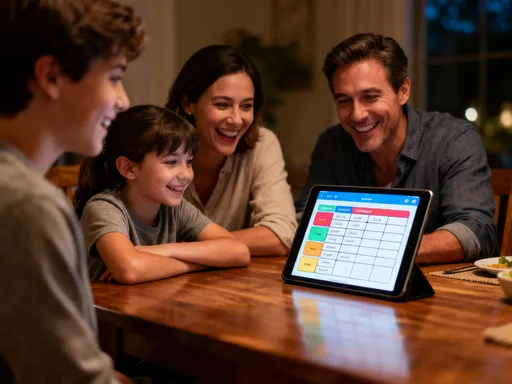
What surprised me most wasn’t the organization — it was how this simple report brought us closer. We started a new Sunday night ritual: after dinner, we’d gather around the tablet and go over the weekly summary. At first, the kids groaned — "Not another family meeting!" — but within weeks, they were the ones asking for it. "Did I get enough steps this week?" my son would ask. "Was I hydrated?" my daughter would giggle, checking her water intake chart.
But it wasn’t just about numbers. The report became a conversation starter. We talked about how sleeping eight hours made mornings easier. We noticed that when my husband walked during his lunch break, his stress levels dropped. We even started setting little family goals — like hitting 8,000 steps together or drinking six glasses of water a day. It wasn’t about being perfect. It was about being aware. And slowly, health stopped feeling like a chore and started feeling like a shared value.
One evening, my daughter looked up and said, "Mom, I think I sleep better when I don’t watch videos before bed." That moment hit me hard. She wasn’t just repeating a rule — she was making a connection. She was learning to listen to her body. And she was doing it not because I told her to, but because she saw the evidence in black and white. The report didn’t control our lives — it reflected them. And in doing so, it gave us a common language for care, for support, for love.
Grandparents Who Finally Feel Involved
One of the most beautiful changes happened with my parents. Before the report, I could tell they worried. They loved watching the grandkids, but they’d call me constantly: "What time does she take her vitamins?" "Is it okay if he has milk?" "Should I be worried if he’s a little tired?" I never blamed them — I’d feel the same. But I also saw how that uncertainty made them hesitant, sometimes even anxious. They wanted to help, but they didn’t want to make a mistake.
Then I started sending them the weekly health report — a simple PDF they could read on their tablet or print out. I included the basics: medications, allergies, sleep notes, and any current health goals. Nothing complicated. Just clarity. The first time my mom babysat after we started using it, she texted me: "I read the report. I feel so much more confident." And I could hear it in her voice when I called — she wasn’t second-guessing herself anymore.
There was one weekend when my son stayed with my parents. He had a mild fever, but nothing serious. In the past, I would’ve been on the phone every hour, trying to guide them. This time, they checked the report, saw his usual temperature range, and followed the care plan we’d included. They gave him fluids, monitored him, and let him rest. When I got home, he was fine — and they were proud. Not just of how they handled it, but of being part of the process. The report didn’t replace their love or intuition — it empowered it. And for the first time, they didn’t feel like outsiders in our family’s health story. They were part of it.
Coordinating Care Without the Chaos
Schools, doctors, therapists — they all play a role in our children’s health, but getting them on the same page used to feel impossible. I’d spend hours repeating the same information: at the pediatrician’s office, filling out forms for the school nurse, explaining my son’s asthma plan to his soccer coach. And still, mistakes happened. Once, the school gave him a snack with nuts — even though we’d submitted an allergy form. It wasn’t their fault. The form had been buried in a folder. The system was broken — not because people didn’t care, but because information wasn’t flowing.
The health report changed that. With one document, I could share accurate, up-to-date information with everyone who needed it. I gave access to our pediatrician, the school nurse, and even my daughter’s speech therapist. No more faxing. No more emailing attachments back and forth. And no more confusion. When my son went for a specialist appointment, the doctor had already reviewed the report. "I can see his symptoms spike during pollen season," he said. "That’s helpful." For the first time, care wasn’t happening in isolated visits — it was part of a bigger picture.
Teachers noticed, too. My daughter’s teacher told me she appreciated having a quick reference for her hydration needs and focus patterns. "It helps me support her better," she said. And when my husband started physical therapy after a minor injury, we shared the report with his therapist. They could see his activity levels, sleep quality, and pain logs — all in one place. It saved time. It reduced errors. But more than that, it gave us peace of mind. We weren’t just managing health — we were building a support network, all connected by one simple document.
Building Health Awareness, One Report at a Time
Over time, something deeper started to happen. The report stopped being just a tool — it became a mirror. We began to see patterns we’d never noticed before. My daughter was more focused on days when she ate a protein-rich breakfast. My son’s mood improved when he spent time outside. I realized I was more patient with the kids when I’d slept well the night before. These weren’t breakthroughs from a medical journal — they were real, lived experiences, made visible through consistent tracking.
What’s powerful about this isn’t just the data — it’s what the data teaches us. My kids started asking questions: "Why do I feel tired on Wednesdays?" "What makes my asthma better?" That curiosity is priceless. They’re not just following rules — they’re learning to understand their bodies. And as a parent, I’m making better decisions. I adjusted bedtimes. I swapped sugary snacks for balanced options. I even started scheduling my own check-ups more consistently, because I could see how my energy and mood were linked to my health habits.
This isn’t about becoming health experts. It’s about becoming more aware — of ourselves, of each other, of what helps us thrive. The report doesn’t tell us what to do. It gives us the information to decide together. And that shift — from guessing to knowing — has changed our family’s rhythm in the most beautiful way. We’re not perfect. We still have late nights and junk food weekends. But now, we’re making choices with intention, not just habit.
How You Can Start Your Own Family Health Rhythm
If you’re feeling overwhelmed, I want you to know — you don’t have to do it all at once. Start small. Pick one person — maybe yourself, maybe your youngest. Choose one thing to track: sleep, water intake, or medication times. Use a simple app that lets you generate a summary — many are free or low-cost, and designed for everyday families. Sync it with what you’re already doing: your calendar, your fitness tracker, your doctor’s portal. Don’t aim for perfection. Aim for progress.
When you’re ready, share the report with one other person — your partner, your mom, your sister. Ask them what they notice. Let it start a conversation. You might be surprised at what they see. And when you add a new family member, go slow. Let them get used to it. Maybe print the first few reports — some people still love paper. The goal isn’t to create a surveillance system. It’s to create connection. To say, "I see you. I care. And I want us all to feel our best.\"
Setting up sharing permissions is easy — most platforms let you control who sees what. You can give your pediatrician full access but share only basic info with the school. You can update it weekly or monthly. Make it work for your life. And remember: this isn’t about adding one more thing to your to-do list. It’s about making the things you’re already doing — caring for your family, managing appointments, supporting each other — just a little easier.
Most of all, be patient. Change takes time. There will be weeks when you forget to update the data. That’s okay. The point isn’t to be flawless — it’s to be together. To have a shared understanding of what health looks like for your family. To feel calmer, more prepared, more connected. Because at the end of the day, this isn’t just about technology. It’s about love. It’s about showing up for each other — with clarity, with care, and with one simple report that says, \"We’re in this together.\"