More than directions: How map apps quietly upgraded my everyday life
You know that moment when you’re stuck in traffic, late for a school pickup, and the GPS suddenly reroutes through a back street you’ve never seen? That’s when I realized my map app was doing more than just pointing north—it was learning my life. It started small: faster commutes, fewer wrong turns. But over time, it began shaping how I move, plan, and even relax. This isn’t just about getting from A to B. It’s about how a simple tool became a quiet partner in making daily chaos feel manageable. I didn’t expect a little blue dot on my phone to change how I experience time, space, and connection—but it did. And if you’ve ever felt overwhelmed by the rhythm of daily life, you might be surprised by how much this everyday tech can do for you too.
The Day I Stopped Fighting Traffic—And Started Understanding It
I used to dread the afternoon drive to pick up the kids. Even with a strict schedule, I’d often arrive late—not because I left late, but because traffic had other plans. I’d grip the wheel, tense and frustrated, watching the brake lights stretch endlessly ahead. My old coping strategy was to curse rush hour and blame city planners. But then something shifted. One day, my map app quietly rerouted me ten minutes before the usual jam. It didn’t wait for me to get stuck—it knew, somehow, that the highway would be slow. I followed the new path, skeptical at first, but within minutes, I was moving smoothly through side streets I’d never noticed. I arrived early.
That was the moment I realized this wasn’t just about directions. It was about understanding patterns—my patterns. The app had learned when I typically left the house, which routes I preferred, and how long traffic usually lasted. It wasn’t reacting to congestion; it was predicting it. Over time, I began to trust its suggestions, even when they seemed counterintuitive. That back road with the narrow turn? Worth it. The detour through the quiet residential area? Faster than the main drag. The real benefit wasn’t just time saved—it was peace of mind. I no longer had to guess or stress. My mental load lightened because the app handled the logistics.
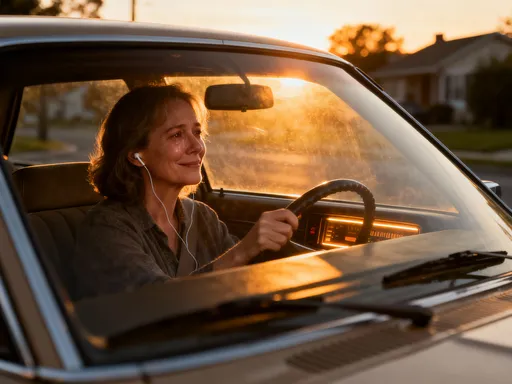
And here’s the thing: when your brain isn’t constantly calculating travel time, you can actually enjoy the drive. I started listening to audiobooks, singing along to music, even having calm conversations with the kids in the backseat. That shift—from survival mode to presence—was subtle but profound. Technology didn’t eliminate traffic, but it gave me back control. I wasn’t fighting the city anymore. I was moving through it with confidence, guided by a tool that felt less like software and more like a thoughtful companion.
Finding More Than an Address: How Maps Began Remembering for Me
Memory is a fragile thing, especially when you’re juggling school schedules, grocery lists, and work deadlines. I remember one rainy Tuesday when I pulled out of the driveway, convinced I was on my way to my son’s usual piano lesson—only to realize halfway there that the class had moved to a new studio. I didn’t have the address saved. I muttered, half to myself, “Take me to where Leo had violin last week,” more out of frustration than expectation. To my surprise, the app immediately pulled up a location three streets over. I arrived just in time, heart pounding but grateful.
That moment made me pause. How did it know? I hadn’t labeled that place. I hadn’t even been there more than twice. But the app had been quietly observing. It remembered the time I’d parked nearby, the day I’d lingered longer than usual, the pattern of my weekly drop-offs. It wasn’t just mapping streets—it was mapping my life. Since then, I’ve leaned into that feature more and more. I no longer stress about forgetting where I parked at the mall. I don’t scramble to find the pediatrician’s office before a checkup. The app remembers my go-to coffee shop, the yoga studio I visit every Wednesday, even the park where we feed the ducks on Sundays.
This isn’t about being forgetful—it’s about being human. Our brains aren’t designed to store endless addresses and appointments. But a good map app acts like a gentle backup, holding the details so we don’t have to. It’s not replacing memory; it’s freeing us from the pressure of perfect recall. And that’s a kind of emotional relief many of us didn’t know we needed. When the tool remembers, we can focus on what matters—like listening to our child’s story on the way home, or noticing the way the light hits the trees in the late afternoon. The technology doesn’t make us smarter. It makes us more present.
Raising Kids with a Digital Co-Pilot
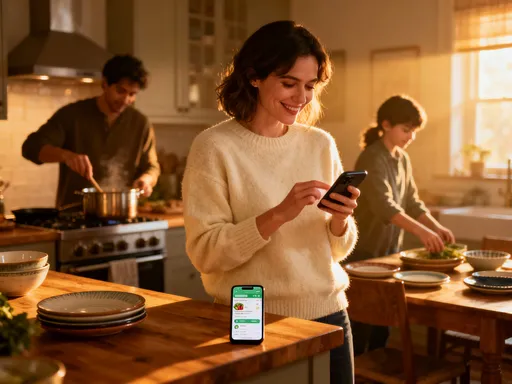
Parenting comes with a thousand small worries, and timing is one of the biggest. Will I make it to the school gate before the bell? Is my teenager safe on their way home? When my sister started helping with pickups, I wanted to trust her completely—but I also wanted to know when she’d arrive, so I could prep the kids. Instead of texting back and forth, I shared our locations through the map app. A quick glance showed me she was five minutes away. No interruptions. No anxiety. Just peace.
This kind of quiet coordination has become part of our family rhythm. On weekend trips, we use location sharing so everyone knows who’s where—especially helpful when we’re at a crowded park or festival. It’s not about surveillance. It’s about connection. When my daughter went on her first solo bus ride to a friend’s house, I could see her progress in real time. I didn’t call or hover. I just watched the little dot move steadily toward its destination. When it stopped, I knew she’d arrived. That small reassurance made all the difference.
And it’s not just about safety. I’ve started teaching my older child how to read the map, estimate arrival times, and plan simple routes. It’s a quiet way to build independence. She now checks the app before walking to the library, and we talk about which path is safest or most scenic. These aren’t big lessons—they’re woven into everyday moments. But over time, they add up. She’s learning navigation, responsibility, and confidence. The app isn’t raising my kids, of course. But it’s supporting me in raising them with a little less stress and a little more trust.
Discovering the Neighborhood I Thought I Knew
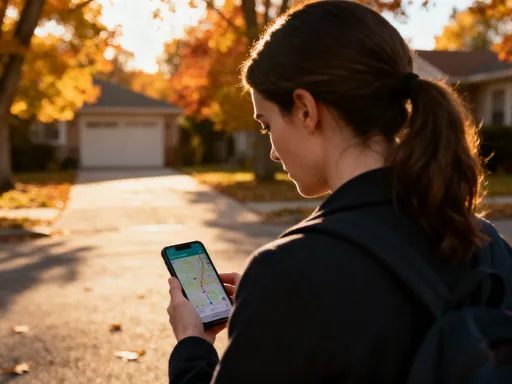
I’ve lived in my neighborhood for nearly a decade, and I thought I knew it well. The grocery store, the pharmacy, the school—those were my landmarks. But two years ago, I discovered a farmers’ market just three blocks from my house. I hadn’t seen any signs. No flyers. No word of mouth. It showed up on my map app as a suggested walking route: “Scenic path with local vendors.” I followed it on a Saturday morning and found rows of fresh produce, handmade jams, and live music. Now, it’s a weekly ritual.
That experience opened my eyes. The app wasn’t just helping me get around—it was helping me connect. It began suggesting parks I’d never visited, even though they were minutes from home. It highlighted a small bakery that opens at 6 a.m. for early risers. It reminded me of free outdoor movie nights in the summer. These weren’t random ads or pushy promotions. They were thoughtful nudges based on my habits—like how often I walk, what time I’m usually out, and where I tend to linger.
What felt like luck was actually smart design. The algorithm noticed I liked shaded paths and quiet corners, so it started showing me green spaces with benches and fountains. It saw I often stopped at coffee shops, so it introduced me to a new one with outdoor seating and live acoustic sets on Sundays. These discoveries didn’t change my life in dramatic ways, but they enriched it. I started greeting neighbors by name. I brought home fresh bread on Saturdays. I took my journal to the park and wrote under the trees. The app didn’t create community—but it helped me find mine. And in a world that often feels disconnected, that kind of gentle reconnection is priceless.
Building Smarter Habits Without Trying
I never set out to walk more. I wasn’t tracking steps or chasing fitness goals. But last year, I noticed something: I was choosing to walk short distances instead of driving. To the pharmacy. To the library. Even to pick up takeout. It wasn’t a conscious decision—it just felt easier. Then I realized why. My map app had started showing walking times alongside driving routes. “Walk: 12 minutes. Drive: 8 minutes, plus 5 finding parking.” Suddenly, the math made sense. Walking wasn’t slower—it was often faster, and definitely less stressful.
So I started letting the app guide my choices. It showed me how many calories I burned on foot, how much quieter the side streets were, how much money I saved on gas. None of it was pushy. No badges. No notifications. Just quiet feedback. Over time, I walked an extra 45 minutes a week without forcing it. No willpower. No guilt. Just small, consistent shifts.
This is the power of passive encouragement. The app didn’t demand change—it made better choices obvious. And that’s how real habit-building works. It’s not about big resolutions. It’s about tiny adjustments that add up. Now, when I’m deciding how to get somewhere, I automatically consider walking. I notice the weather. I wear comfortable shoes more often. I take deep breaths as I move. The app didn’t turn me into an athlete—but it helped me live a little healthier, one step at a time. And that’s the kind of progress that lasts.
Travel That Feels Like Coming Home
Travel used to stress me out. Even a weekend getaway meant hours of planning: where to park, how to get from the station, what to do if I got lost. I’d arrive tired, already overwhelmed. Then I started using my map app differently. Before trips, I save key locations—hotels, restaurants, meeting spots. I check walking routes. I note public transit options. I even tag places I want to revisit. It’s like building a personal guidebook in my pocket.
Last year in Lisbon, I found a quiet café tucked behind a cobblestone alley. No sign. No crowds. Just shaded tables under a grapevine and the best custard tart I’ve ever tasted. I didn’t find it in a guidebook. My app suggested it because it knew I preferred outdoor seating, quiet spots, and places near water features. It remembered what I liked and adapted to a new city. That moment—sitting there, sipping coffee, feeling completely at ease—was pure magic.
That’s the real gift of modern mapping: it brings familiarity to the unfamiliar. Even in a foreign city, I don’t feel lost. I feel guided. I can explore with curiosity instead of fear. I can say yes to spontaneous invitations because I know I can find my way back. The app doesn’t remove the adventure—it makes it safer, so I can enjoy it more. And when I return home, I bring back not just souvenirs, but a deeper sense of confidence. I’ve learned that with the right tool, I can navigate anything—whether it’s a new country or a busy week at home.
Seeing the World Differently—One Route at a Time
Looking back, I realize my map app has changed more than my commute. It’s changed how I think. It’s taught me to anticipate problems before they happen, to adapt when plans shift, and to trust small signals—like a suggested detour or a new route highlight. These skills have spilled into other parts of my life. At work, I plan ahead with more confidence. In parenting, I stay calm when schedules change. Even meal planning feels easier because I’ve learned to expect the unexpected.
Technology, at its best, doesn’t replace human intelligence—it amplifies it. It doesn’t make us lazy. It frees us from repetitive mental labor so we can focus on what we do best: connecting, creating, caring. The most powerful innovations aren’t always the flashiest. They’re the ones that work quietly in the background, making daily life a little smoother, a little kinder, a little more joyful.
My map app didn’t set out to transform my life. It just wanted to get me from A to B. But in doing so, it became a partner in my routine, a keeper of my memories, a guide to hidden joys. It didn’t demand attention. It earned trust. And now, I can’t imagine life without it. So the next time you follow that little blue dot, remember: it’s not just showing you the way. It’s helping you live with a little more ease, a little more grace, and a lot more room to breathe. That’s not just smart tech. That’s smart living.