Tired of Missing Out on Rewards You’ve Already Earned? This Membership Tracker Made It Effortless
Living in a world of endless loyalty programs, discounts, and digital perks, I used to feel more overwhelmed than rewarded. I’d forget store points, miss exclusive member events, or realize too late that my subscription had auto-renewed—again. Sound familiar? For years, I thought I just needed to be more organized. But the truth is, the system was never built for real life. That changed when I started using a smart membership benefits manager. It didn’t just track my perks—it transformed how I interact with brands, save money, and even plan family outings. This is my honest, long-term take on how one simple tool quietly improved not just my wallet, but my daily peace of mind.
The Daily Struggle: When Rewards Feel Like Work
Let’s be honest—life is full. Between school drop-offs, grocery runs, work deadlines, and trying to squeeze in a few quiet moments before bed, who has time to track loyalty points? I used to think I was just bad at keeping up. I’d save promotional emails in a folder labeled “Rewards,” set calendar reminders for expiring discounts, and still end up missing out. The worst was when I walked into my favorite coffee shop, ready to redeem my free drink, only to be told my points had expired two weeks prior. That stung—not because of the $5 latte, but because it felt like yet another thing I’d failed to manage.
And it wasn’t just coffee. I had memberships everywhere—my grocery store, the pharmacy, the gas station, a streaming service I barely used, a gym I hadn’t stepped into since January. Each one promised rewards, but each also came with its own rules, expiration dates, and hidden fine print. I started to dread opening certain emails. The mental load was real. I wasn’t feeling rewarded—I was feeling guilty, like I was wasting money and opportunities. Have you ever looked at your phone and thought, “I should know what I’m entitled to, but I don’t”? That was me, every single week.
The truth is, these programs were designed to keep us coming back, but not necessarily to make us feel in control. They rely on us forgetting, on autopilot spending, on the chaos of daily life. I wasn’t lazy—I was just human. And the system wasn’t helping. I needed something that worked with my life, not against it. I didn’t need another to-do list. I needed a partner—one that could remember what I couldn’t, so I could stop feeling like I was always one step behind.
Discovering a Smarter Way: How I Found the Tool That Changed Everything
The turning point came over coffee with my friend Sarah. We were talking about weekend plans when she casually mentioned she’d booked movie tickets using points from her grocery store loyalty program. I stared at her. “You can do that?” I asked. She laughed and pulled out her phone, showing me an app that pulled all her memberships into one place. It tracked points, sent alerts when rewards were about to expire, and even suggested where to shop based on how she usually spent. “It’s like having a personal assistant for my wallet,” she said.
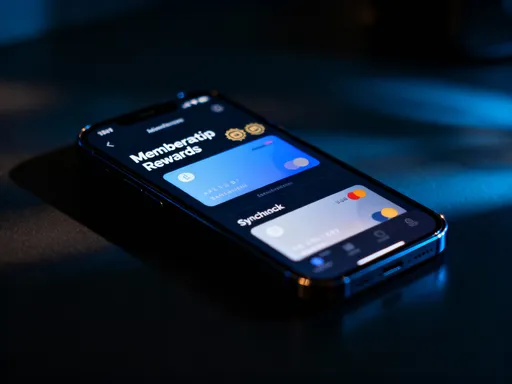
I’ll admit, I was skeptical. Another app? More notifications? But I was also tired—tired of missing out, tired of feeling disorganized, tired of the little financial pinpricks that added up. So I downloaded it that night. The setup was surprisingly simple. I linked my email, gave it permission to scan promotional messages and loyalty accounts, and within minutes, it had already found three sets of points I didn’t know I had. One was from a bookstore I hadn’t visited in months. Another was from a clothing retailer where I’d made a purchase during a sale. And then came the first alert: “You have 200 unused points at your favorite grocery store—redeem them for $10 off your next shop.”
I almost didn’t believe it. I opened the app, clicked through, and sure enough—there they were. I used them that weekend on organic apples and my daughter’s favorite yogurt. It wasn’t a fortune, but it felt like a win. For the first time in years, I hadn’t forgotten. I hadn’t missed out. I had actually benefited from a program I was already part of. That small moment sparked something in me. Maybe I didn’t have to be perfect at remembering. Maybe the right tool could do the remembering for me.
Seamless Integration: How It Fits Into Real Life
What surprised me most wasn’t just that the app worked—it was how quietly it worked. I didn’t have to open it every day or remember to check it. It became part of the background of my life, like my phone’s calendar or weather app. It synced with my digital wallet, so when I used my loyalty card at the store, it automatically updated my points. If a subscription was about to renew, it sent a gentle heads-up: “Your fitness app will charge $12.99 next week. Want to cancel?” No more surprise fees. No more scrambling to find the cancellation link.
One of my favorite features? The smart suggestions. The app started to learn my habits. I shop at the same grocery store every Friday, fill up my tank on Sundays, and buy school supplies in August. Based on that, it began nudging me: “Spend $15 more this week to earn bonus points” or “Your pharmacy rewards double on household essentials today.” It wasn’t pushy—it was helpful. It turned shopping from a chore into a small game, one where I was finally winning.
And because it pulled everything into one dashboard, I could see at a glance what I had access to. No more digging through old emails or trying to remember which program gave what. I could compare benefits across memberships and decide which ones were truly worth keeping. It made decision-making easier. Instead of guessing, I had data. Instead of stress, I had clarity. For the first time, I felt like I was in the driver’s seat—not just reacting to promotions, but planning around them.
More Than Savings: Unexpected Emotional and Family Benefits
I’ll be honest—I downloaded the app for the money. I wanted to stop wasting points and save a few dollars here and there. But what I didn’t expect was how much it would affect my emotional well-being. There’s a quiet kind of anxiety that comes from feeling like you’re losing control—of your time, your money, your responsibilities. Every missed reward, every forgotten subscription renewal, added to that weight. Using this tool lifted that burden. Knowing my benefits were being tracked, that I wouldn’t be blindsided by a charge, gave me a sense of calm I hadn’t realized I was missing.
And that calm spilled over into my family life. I started planning little treats using accumulated points—a pizza night, a board game afternoon, tickets to the local science museum. These weren’t extravagant, but they felt special because they cost nothing out of pocket. My kids loved it. “Mom, did we earn enough for ice cream this week?” became a regular question. It turned saving into something joyful, something we could celebrate together.
I also shared access with my husband. At first, he was hesitant. “I’ve got it under control,” he said. But after he missed a car wash reward for the third time, he let me show him the app. Now, he checks it more than I do. We’ve started using it as a conversation starter about spending. “Is this membership still worth it?” “Are we using this enough to justify the cost?” It’s made our financial talks less tense, more collaborative. Instead of feeling like I’m nagging him to cancel things, we’re making decisions together. That shift—from stress to teamwork—has been priceless.
Privacy and Trust: What I Was Worried About (And What Actually Happened)
I won’t lie—handing over access to my accounts made me nervous. I’ve read the headlines. Data breaches. Spam emails. Targeted ads that feel too personal. When the app asked for permission to scan my inbox and link to my loyalty programs, I hesitated. What would it see? Who would have access? I spent an evening reading the privacy policy—yes, all of it—and checking what data it collected and how it was stored. I discovered it used bank-level encryption, didn’t sell data to third parties, and allowed me to revoke access at any time. That helped, but I still wasn’t fully convinced.
Then I noticed something: the app didn’t bombard me with ads. It didn’t start suggesting random products I hadn’t searched for. It didn’t change my browsing experience at all. It only used the data to track benefits and send relevant alerts. Over time, my anxiety faded. I realized I’d been conditioned to expect the worst from tech—that every free tool had a hidden cost. But this one felt different. It wasn’t trying to sell me anything. It wasn’t manipulating my behavior. It was simply doing what it promised: helping me keep track of what I’d already earned.
Transparency built trust. The app showed me exactly what it was doing, gave me control over permissions, and respected my boundaries. I could turn off notifications, pause syncing, or delete my account with a few clicks. That level of control made all the difference. I wasn’t giving up my privacy—I was choosing to share a small part of it with a tool that respected me in return. And after a year of use, I’ve never had a security issue. No spam. No strange charges. Just peace of mind.
Long-Term Wins: How My Habits and Mindset Shifted
A year in, the real impact has become clear. I’ve canceled three memberships I wasn’t using—a streaming service, a meal kit delivery, and a warehouse club I only visited twice a year. That’s nearly $300 saved annually, just by realizing what I wasn’t getting value from. I’ve also maximized rewards I would’ve otherwise ignored. Last month, I used points from my gas station loyalty program to cover a full tank—$60, free. My daughter used her school reading rewards to pick out a new book every week for a month. Small wins, but they add up.
More importantly, my mindset has changed. I’m more intentional about where I spend and what I sign up for. Before joining a new program, I ask myself: “Will this actually benefit me? Can I track it easily?” I’m less impulsive. I don’t fall for “free trial” offers unless I know I can cancel without hassle. I’ve even started teaching my teens to use the app. My son linked his first part-time job’s employee discount, and my daughter tracks her library points. It’s become a tool for financial literacy, not just convenience.
But the biggest shift? I feel more in control. Not just of my money, but of my time and attention. I’m not constantly worried about missing out or making a mistake. I’ve stopped feeling guilty about forgetting. Instead, I feel capable. Confident. Like I’ve got a system that supports me, not one that’s working against me. That quiet confidence has changed how I move through the world. I make decisions with more clarity. I plan with more joy. And I’ve rediscovered the pleasure of small rewards—because now, I actually get to enjoy them.
Why This Matters Beyond Convenience: A Small Tool With Big Meaning
In a world that never slows down, where notifications pull us in ten directions and every brand wants a piece of our attention, tools that simplify life are more than convenient—they’re essential. This app didn’t just help me track points. It helped me reclaim time. It reduced stress. It created space—for better decisions, for family moments, for breathing room in a busy day. It reminded me that technology doesn’t have to be overwhelming. It can be gentle. Supportive. Human.
What started as a solution to a small problem—a way to stop missing out on rewards—became something much bigger. It became a way to live with more intention, less guilt, and more joy. It showed me that even the smallest tools, when designed with real life in mind, can have a profound impact. They can restore a sense of balance. They can help us feel seen, supported, and capable.
So if you’re tired of feeling like you’re always one step behind, if you’re ready to stop missing out on what you’ve already earned, I encourage you to try something new. Not because you need to be perfect, but because you deserve to feel in control. You deserve to enjoy the rewards you’ve worked for. And sometimes, all it takes is one smart tool to make that possible. It’s not about chasing the latest gadget or mastering complex tech. It’s about finding what works for you—what makes your life a little easier, a little calmer, a little more yours. And honestly? That’s the best reward of all.