After Sharing One App with My Family, We Finally Remembered Every Birthday the Right Way
You know that sinking feeling when you realize you missed someone’s birthday—again? I did. Even with sticky notes and calendar alerts, my family kept forgetting. Then we tried a simple health-tracking app, not for steps or sleep, but for memories. We began logging birthdays, anniversaries, even inside jokes. Over time, something changed. We weren’t just remembering dates—we were feeling more connected. This is how a tiny tech shift brought warmth back to our relationships. It didn’t take a fancy new gadget or a complicated system. Just one small change, rooted in care, helped us stay close in a world that often pulls us apart.
The Birthday That Slipped Through the Cracks
I’ll never forget the silence on the other end of the phone. My aunt, usually so cheerful, paused when I finally called—three days late. “Oh,” she said softly, “you remembered.” But we both knew I hadn’t. I had missed her birthday. Again. It wasn’t for lack of love. I adored her. She was the one who taught me how to make banana bread, who sent me books when I was sick, who remembered my favorite tea long before I did. And yet, in the blur of school pickups, work deadlines, and grocery lists, her birthday had vanished from my mind like steam from a kettle.
I felt terrible. Not just guilty, but disconnected. Missing a birthday isn’t just about forgetting a date—it chips away at the quiet understanding that we matter to each other. That someone is paying attention. I realized then that our family, despite being close in heart, was drifting in practice. Birthdays were hit-or-miss. Anniversaries? Often celebrated a week late, if at all. And don’t get me started on those little in-between moments—the first snow, a child’s first joke, the way Grandpa always hummed the same tune while gardening. Those were gone before we even noticed.
I started looking for solutions. I tried digital calendars, shared spreadsheets, even a physical family planner on the fridge. But nothing stuck. Notifications got ignored. Spreadsheets felt cold and clinical. The planner gathered condiment smudges and good intentions. The problem wasn’t the tools—it was that none of them felt like they belonged to us. They were systems, not stories. I wanted something that didn’t just remind us of a date, but reminded us why that date mattered.
How a Health App Became Our Memory Keeper
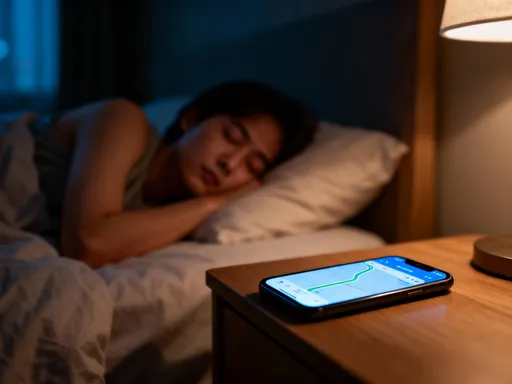
The solution came from an unexpected place: a health-tracking app I’d downloaded to monitor my sleep. I wasn’t sleeping well, and I thought tracking patterns might help. It had all the usual features—step count, heart rate, sleep quality—but it also had a little journal section. Each night, I could jot down how I felt, what I ate, or anything notable. One evening, half-joking, I typed: “Mom’s birthday tomorrow. Don’t forget this time.”
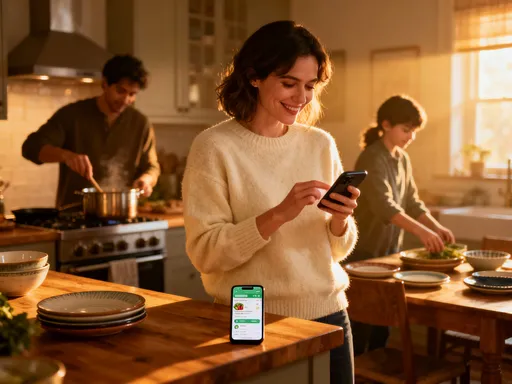
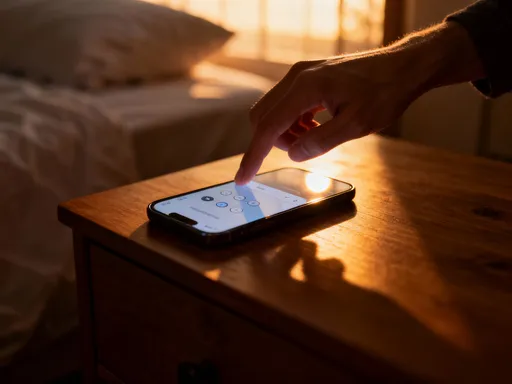
The next morning, a gentle notification popped up: “You noted: Mom’s birthday. Hope it’s a good one!” It wasn’t loud or demanding—just a soft nudge, like a friend whispering in my ear. I called my mom right away. She sounded surprised, then touched. “You remembered,” she said, echoing my aunt’s words—but this time, I had. That small moment sparked an idea. What if we used this app not for health metrics, but for heart metrics? What if we turned it into a shared space for the things we never wanted to forget?
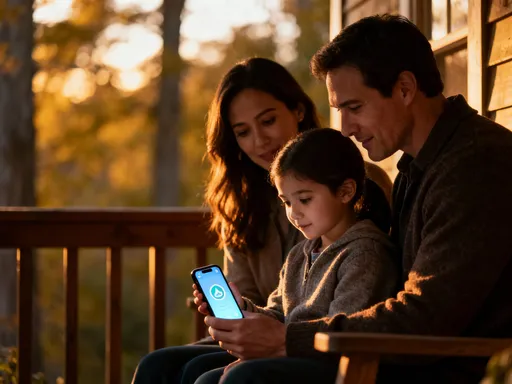
I invited my sister and my mom to join a shared journal within the app. At first, they were skeptical. “It’s a sleep app,” my sister said. “Are we going to track how tired we are when someone turns 70?” But I showed them how we could add notes, voice recordings, even photos. We created an entry for my aunt’s next birthday, with a photo from last year’s visit and a voice memo from me saying, “This time, I’m ready.” The app allowed us to set recurring reminders, not just for dates, but for feelings—“Call Aunt Lisa with a joke,” “Send Grandma a photo of the garden.” It wasn’t built for this, but it worked. And slowly, it became ours.
Turning Data Into Emotional Glue
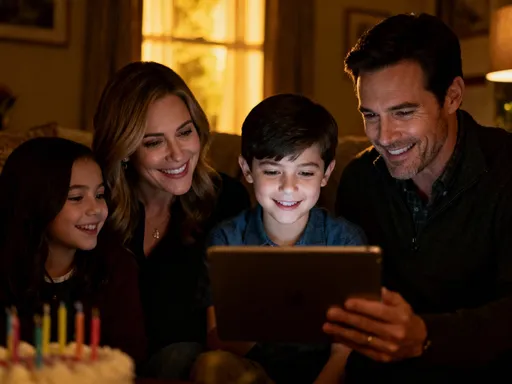
Here’s what surprised me: we didn’t just start remembering birthdays—we started remembering each other. The app became less about tracking and more about connecting. My niece, only eight at the time, recorded a little song for her grandfather’s birthday. He listened to it every morning for a week. My mom started adding short reflections: “Today, the magnolias bloomed. Reminded me of your wedding day.” These weren’t just entries—they were emotional postcards.
Memory isn’t just about facts. It’s about feeling. And this app helped us preserve both. Instead of just knowing that my brother’s birthday was on June 12, I could hear his laugh from last year’s celebration, see the silly hat he wore, read the note he wrote to himself: “Another year of being the middle child. Still figuring it out.” That’s the kind of memory that sticks. That matters.
Technology often gets blamed for making us distant, for replacing real connection with screens. But in this case, it did the opposite. It didn’t replace our memories—it gave them a home. We weren’t just logging data; we were building a shared emotional language. The app became a quiet witness to our lives, not in a surveillance way, but in a “I’m here, I see you” kind of way. And over time, that made all the difference.
Coordinating Care Without the Chaos
One of the biggest challenges in any family is coordination. Who calls? Who sends the card? Who remembers to pick up the cake? In the past, we relied on group texts that spiraled into chaos—messages buried under memes, plans forgotten, someone always left out. It wasn’t lack of care; it was lack of clarity.
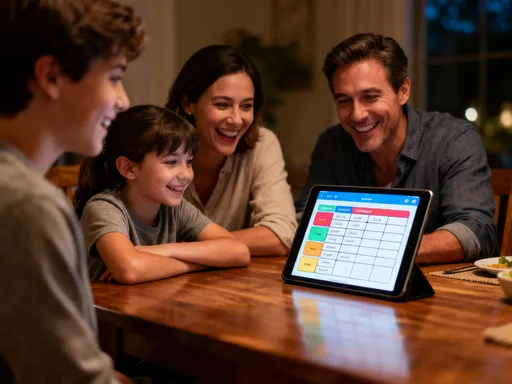
The shared journal changed that. We created a simple system: each person took responsibility for one family member’s annual entries. I handled my parents, my sister took the aunts and uncles, my nephew managed the cousins. We’d add the birthday note a week in advance, attach a photo or voice message, and set the reminder for three days before the date. The app synced across devices, so everyone saw updates in real time.
But here’s the real magic: it wasn’t loud. There were no pings, no pressure, no “Did you call yet?” texts. Just a quiet, shared space where care could live. When my mom’s birthday came around, I didn’t need to be reminded by my sister. The app showed me the entry I’d created, the photo of her holding her first grandchild, the voice note from my dad saying, “Still the best dancer in the family.” It wasn’t a to-do list. It was a love list.
And because the app was already part of our daily routine—many of us checked it for sleep or mood tracking—adding these personal moments felt natural. It wasn’t an extra task. It was part of how we cared for ourselves, and each other.
Small Rituals, Big Impact
The most beautiful changes were the ones we didn’t plan. Without saying a word, we started developing little rituals. The night before a birthday, someone would listen to the previous year’s voice message. “It makes me smile before I even call,” my nephew said. My niece began recording a “wish for next year” each time—last year, she hoped to learn to ride a bike. This year, she said, “I hope I get to visit Grandma again.”
These rituals gave our celebrations depth. It wasn’t just about the cake or the presents. It was about continuity. About showing up with intention. The app didn’t create these moments—but it made them possible. It held the space for us to be thoughtful, even when life was busy.
I remember one evening, my dad called me after listening to a birthday entry from my late grandmother. “She sounds so alive,” he said, voice a little thick. “I forgot how she always said ‘sweet pea’ when she answered the phone.” That’s the power of preserving not just dates, but voices, tones, little phrases that vanish too quickly. The app didn’t bring her back—but it kept her close.
And that’s what we all want, isn’t it? To feel remembered. To know we’ve left a mark. These small rituals, supported by a simple tool, helped us give that gift to each other. Not just on birthdays—but every day.
Privacy, Trust, and Digital Togetherness
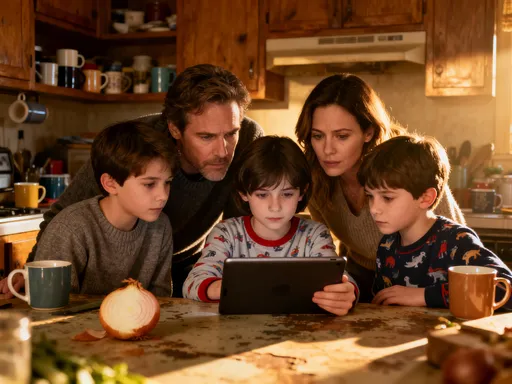
Of course, sharing personal moments digitally raised questions. Was it safe? Who could see what? At first, I worried about boundaries. Would someone feel pressured to share? Would old arguments resurface? We had a family chat—no screens, just us around the kitchen table—and talked about what this shared space meant.
We agreed on a few gentle rules. Nothing mandatory. If someone didn’t want to add a voice note, that was fine. We’d respect emotional space—no commenting on entries unless invited. And we’d keep the heavier stuff—grief, conflicts, worries—for in-person talks. The app wasn’t for solving problems. It was for celebrating, remembering, and staying close.
Over time, trust grew. We saw how the space was used—with care, with warmth. My sister, who’d once called it “weird,” now adds entries for her kids’ milestones. “I want them to know how loved they were from the start,” she said. My mom checks the app every Sunday night, scrolling through past entries like flipping through a photo album. “It’s like a warm hug,” she told me.
The app became what I now think of as a digital hearth—a place where we gather, even when we’re apart. Not because we have to, but because we want to. It’s not about surveillance or performance. It’s about presence. And in a world where so much feels temporary, that kind of steady, quiet connection is priceless.
More Than Dates: Building a Living Family Archive
What started as a fix for forgotten birthdays has become something much bigger. Our shared journal is now a living archive of our family. It holds the big moments—graduations, weddings, new babies—but also the small ones: the dog’s birthday, the day the garden finally bloomed, the time we all got caught in the rain and laughed until we cried.
Grandparents have started leaving voice messages for future birthdays. “Happy 16th, my darling,” my aunt recorded for her granddaughter. “I hope you’re proud of who you’re becoming.” These aren’t just memories. They’re legacies. They’re love made tangible, passed forward through time.
And the best part? It’s not perfect. Entries are sometimes late. Voices crack. Photos are blurry. But that’s what makes it real. It’s not a polished family brand. It’s us—messy, loving, trying our best. The app doesn’t demand perfection. It just asks us to show up.
I used to think technology and emotion were opposites. That screens pulled us away from what mattered. But this experience taught me something different. When used with intention, technology can deepen our humanity. It can help us care better, love louder, remember longer. It won’t replace a hug or a shared meal. But it can help us carry those moments with us, even when we’re apart.
So if you’ve ever missed a birthday, if you’ve ever felt the quiet ache of a connection slipping, I want to tell you this: it’s not too late. You don’t need a complicated system or a tech upgrade. Just one shared tap. One small step toward remembering. Because the truth is, we all want to be remembered—not for our productivity or our achievements, but for who we are. For the way we laugh, the jokes we repeat, the love we give without thinking. And with a little help from technology, we can make sure that love doesn’t fade. It grows.