You Won’t Believe How Simple Staying Youthful Can Be
Aging doesn’t have to mean slowing down. I used to think fine lines and low energy were just part of getting older—until I made a few small, science-backed changes that transformed how I feel and look. No extreme diets or expensive treatments. Just real, everyday shifts that actually work. If you're tired of feeling worn out and want to boost your health naturally, this is for you. The truth is, aging is not a one-way slide into fatigue and frailty. Modern research shows that how we age is deeply influenced by choices we make each day. From sleep and movement to what we eat and how we manage stress, every habit shapes our biological timeline. This isn’t about chasing youth—it’s about building a life where energy, clarity, and strength stay within reach, no matter your age.
The Real Talk About Aging: What We Get Wrong
For decades, society has painted aging as an inevitable decline—wrinkles, stiffness, low energy, and forgetfulness all accepted as unavoidable. But science now reveals a different story. While chronological age—the number of years you’ve lived—can’t be changed, biological age, which reflects how well your cells and systems function, is highly responsive to lifestyle. Studies from institutions like the National Institute on Aging show that up to 75% of how we age is influenced by behavior, not genes. This means the way you feel at 50, 60, or beyond isn’t written in stone. It’s shaped by sleep quality, nutrition, physical activity, and emotional well-being.
One of the most powerful shifts in understanding is recognizing that aging at the cellular level is dynamic. For example, telomeres—protective caps at the ends of chromosomes—shorten as we age, but their rate of shortening can be slowed. Research published in The Lancet has shown that people who maintain healthy habits like regular exercise, balanced eating, and stress management have longer telomeres than those who don’t. Inflammation and oxidative stress, not time itself, are the real drivers of visible and internal aging. These processes damage cells over time, leading to stiffness, dull skin, and mental fog. But they can be reduced with consistent, manageable choices.
Another myth is that energy naturally plummets after 40. In reality, what many attribute to age is often the result of sedentary living, poor sleep, and nutrient-poor diets. The body’s ability to produce energy depends on mitochondria, the tiny power plants inside cells. These organelles thrive on movement, oxygen, and specific nutrients. When neglected, they become less efficient, leading to fatigue. But when supported, they can function robustly for decades. The key is not to accept every ache or low mood as a sign of aging, but to ask: what might my body be asking for? More rest? Better food? Less stress? Reframing aging as a process we influence, rather than endure, is the first step toward lasting vitality.
Your Body’s Daily Reset: The Power of Sleep and Hydration
If there’s one non-negotiable foundation for feeling and looking younger, it’s quality sleep. During deep sleep, the body repairs tissues, balances hormones, and clears metabolic waste from the brain—a process known as the glymphatic system. Without enough rest, this cleanup slows, leading to brain fog, mood swings, and accelerated skin aging. The American Academy of Sleep Medicine recommends 7–9 hours per night for adults, yet nearly 40% of women over 30 report getting less. The good news is that small adjustments can make a big difference. Creating a consistent bedtime, reducing screen exposure an hour before sleep, and keeping the bedroom cool and dark can significantly improve sleep quality.
Hormone regulation is another critical benefit of rest. Sleep influences cortisol, the stress hormone, and melatonin, which governs sleep-wake cycles. When sleep is disrupted, cortisol stays elevated, increasing inflammation and fat storage, especially around the abdomen. At the same time, low melatonin can impair immune function and cellular repair. A study from the University of California found that women who slept less than six hours per night had higher signs of skin aging, including reduced elasticity and slower recovery from environmental damage. This means poor sleep doesn’t just make you tired—it shows on your face.
Equally essential is hydration. Water makes up about 60% of the human body and plays a vital role in every system. It carries nutrients to cells, removes toxins, lubricates joints, and keeps skin plump and resilient. Even mild dehydration—just 1–2% loss of body water—can impair concentration, mood, and physical performance. As we age, the body’s thirst mechanism becomes less sensitive, making it easier to go hours without drinking enough. A simple strategy is to start the day with a glass of water, ideally with a slice of lemon to support digestion and alkalinity. Carrying a reusable water bottle and setting reminders can help maintain steady intake.
The combined effect of good sleep and hydration is a body that functions like a well-tuned machine. People who prioritize both often report waking up with more energy, fewer cravings, and a brighter complexion within days. These habits don’t require willpower or expense—just awareness and consistency. Think of sleep and water as your body’s daily reset button. Press it every night and every morning, and you’ll give your cells the support they need to stay strong, clear, and vibrant.
Move It or Lose It: Why Gentle Movement Beats Intense Workouts
When it comes to staying youthful, movement is medicine—but not in the way many assume. You don’t need to run marathons or spend hours in the gym to see benefits. In fact, research from the Harvard T.H. Chan School of Public Health shows that low-impact, consistent activity is often more effective for long-term health than sporadic intense exercise. The goal isn’t to push your body to exhaustion, but to keep it moving in ways that support circulation, joint mobility, and cellular energy. Walking, stretching, yoga, and light resistance training are all powerful tools for maintaining strength and vitality as you age.
One of the most overlooked benefits of gentle movement is its effect on mitochondria. These energy-producing structures thrive on regular, moderate activity. When you move daily, even for just 20–30 minutes, you signal your cells to produce more mitochondria and keep them efficient. This leads to better stamina, faster recovery, and a reduced risk of fatigue. In contrast, long periods of sitting—common in modern life—slow mitochondrial function and increase inflammation. A study published in the British Journal of Sports Medicine found that people who took regular walking breaks during the day had lower blood sugar levels, improved mood, and reduced markers of aging compared to those who remained sedentary.
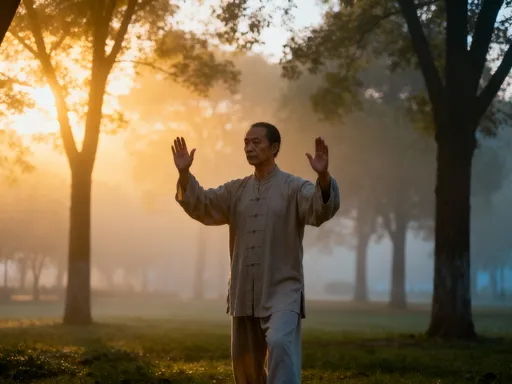
Joints also benefit from consistent motion. Cartilage, the cushioning material in knees, hips, and spine, has no direct blood supply. It relies on movement to absorb nutrients and remove waste. Without regular use, it can stiffen and deteriorate, leading to discomfort and reduced mobility. Gentle stretching and range-of-motion exercises help keep joints lubricated and flexible. Practices like tai chi and seated yoga are especially effective for women over 40, offering balance, coordination, and relaxation without strain.
The beauty of this approach is that it fits into real life. You don’t need special equipment or a fitness tracker. Park farther from the store entrance, take the stairs instead of the elevator, or do a 10-minute stretch routine while watching the morning news. The key is consistency, not intensity. Over time, these small actions add up to stronger muscles, better posture, and a more youthful stride. Movement isn’t about looking a certain way—it’s about feeling capable, steady, and alive in your body every day.
Eat the Rainbow: How Colorful Plants Fuel Longevity
Nutrition is one of the most powerful levers for slowing aging, and the answer isn’t restriction—it’s variety. The phrase “eat the rainbow” isn’t just a catchy slogan; it’s a science-backed strategy for loading your body with phytonutrients, the natural compounds in plants that protect cells from damage. Each color in fruits and vegetables represents different antioxidants and anti-inflammatory agents. For example, red foods like tomatoes and red peppers contain lycopene, which supports heart and skin health. Orange and yellow produce, such as carrots and sweet potatoes, are rich in beta-carotene, a precursor to vitamin A that helps maintain vision and immune function.
Green vegetables like spinach, kale, and broccoli are packed with chlorophyll, fiber, and folate, all of which support detoxification and cellular repair. Cruciferous vegetables, in particular, contain sulforaphane, a compound shown in studies to activate genes that protect against oxidative stress. Blue and purple foods—blueberries, blackberries, and eggplant—get their color from anthocyanins, powerful antioxidants linked to improved brain function and reduced risk of cognitive decline. Even white and tan foods like garlic, onions, and mushrooms offer benefits; allicin in garlic has natural anti-inflammatory properties, while mushrooms support immune health.
These foods do more than just nourish—they reshape your internal environment. A diet rich in plant diversity feeds the gut microbiome, the trillions of bacteria in your digestive tract that influence everything from mood to immunity. Research from the Stanford School of Medicine shows that people who eat a wide variety of plant foods have more diverse and resilient gut bacteria, which is linked to lower inflammation and slower biological aging. The goal isn’t perfection, but progress. Start by adding one extra serving of vegetables to your meals, or swap processed snacks for a handful of almonds and a piece of fruit.
Healthy fats also play a crucial role. Nuts, seeds, avocados, and olive oil provide essential fatty acids that keep cell membranes flexible and support brain health. Omega-3 fatty acids, found in walnuts and flaxseeds, help reduce inflammation and may slow cognitive decline. Unlike restrictive diets that leave you feeling deprived, this approach is about abundance—filling your plate with color, flavor, and life-giving nutrients. Over time, your skin becomes clearer, your digestion improves, and your energy stabilizes. Food isn’t just fuel; it’s information for your cells, telling them whether to age gracefully or struggle.
Stress Less, Live More: Taming the Silent Aging Accelerator
While diet and exercise are often in the spotlight, stress is the quiet force that can speed up aging more than almost anything else. Chronic stress keeps the body in a constant state of alert, flooding it with cortisol and adrenaline. Over time, this leads to inflammation, weakened immunity, and cellular damage. One of the most compelling findings in aging research is that chronic stress shortens telomeres, the protective tips of chromosomes. A landmark study by Dr. Elizabeth Blackburn, who won a Nobel Prize for her work on telomeres, found that women with high stress levels had significantly shorter telomeres—equivalent to being up to 10 years older biologically than their less-stressed peers.
The good news is that stress management doesn’t require hours of meditation or expensive retreats. Small, daily practices can make a meaningful difference. Deep breathing, for example, activates the parasympathetic nervous system, which calms the body and lowers cortisol. Just two minutes of slow, intentional breaths—inhaling for four counts, holding for four, exhaling for six—can shift your physiology from stress to rest. Journaling is another simple tool. Writing down thoughts and feelings helps process emotions and reduces mental clutter. Even spending 10 minutes in nature, whether walking in a park or sitting under a tree, has been shown to lower stress hormones and improve mood.
Many women in their 30s to 50s carry invisible burdens—managing households, caring for children or aging parents, juggling work and personal needs. These responsibilities are real, but they don’t have to come at the cost of health. The key is to build micro-habits that protect your nervous system. This might mean setting a phone reminder to pause and breathe, keeping a gratitude journal by the bed, or scheduling short breaks during the day to stretch or listen to calming music. These moments aren’t indulgences—they’re essential maintenance for your body and mind.
Over time, consistent stress management leads to noticeable changes: better sleep, clearer thinking, fewer headaches, and a more even temper. You may also find that you’re less reactive to daily frustrations and more able to respond with calm and clarity. By taming the stress response, you’re not just feeling better—you’re slowing a key driver of aging at the cellular level. The goal isn’t to eliminate stress completely, which is impossible, but to build resilience so it doesn’t wear you down.
Skin Deep: Simple Skincare That Actually Works
When it comes to aging, the skin is often the first place changes show up. But effective skincare doesn’t require a cabinet full of serums or a six-figure budget. Dermatologists agree that three basics—sun protection, gentle cleansing, and moisturizing—are the foundation of healthy, resilient skin. Among these, sunscreen is the single most important step. Ultraviolet (UV) radiation from the sun is responsible for up to 90% of visible skin aging, including wrinkles, dark spots, and loss of elasticity. Unlike genetic aging, which happens slowly over time, photoaging from sun exposure is preventable. Applying a broad-spectrum SPF 30 or higher every morning, even on cloudy days, can dramatically reduce this damage.
Cleansing is the next essential. As skin ages, its natural turnover slows, leading to dullness and clogged pores. A gentle, non-stripping cleanser removes dirt and oil without disrupting the skin’s protective barrier. Harsh soaps and over-washing can lead to dryness and irritation, which worsen fine lines. Look for products with hydrating ingredients like glycerin or ceramides, and avoid those with alcohol or strong fragrances. Cleansing twice a day—morning and night—is usually sufficient. The evening routine is especially important, as it removes pollutants and makeup that accumulate during the day.
Maintaining moisture is equally crucial. Well-hydrated skin looks plumper and smoother, minimizing the appearance of lines. As we age, the skin produces less natural oil, making moisturizer a daily necessity. Choose a formula that suits your skin type—lighter lotions for oily skin, richer creams for dryness. Ingredients like hyaluronic acid, which can hold up to 1,000 times its weight in water, are particularly effective. Applying moisturizer while the skin is still damp helps lock in hydration. Nighttime is an ideal opportunity to support repair; using a nourishing cream before bed allows ingredients to work while you sleep.
While the market is flooded with anti-aging products promising quick fixes, most lack long-term evidence. Retinoids, derived from vitamin A, are one of the few ingredients with strong scientific backing for improving skin texture and reducing wrinkles. However, they can be irritating, especially for sensitive skin, so starting with a low concentration and using it gradually is wise. Beyond products, lifestyle factors like sleep, hydration, and diet play a major role in skin health. A diet rich in antioxidants, adequate water intake, and consistent sleep all contribute to a radiant complexion. True skincare success comes not from chasing perfection, but from daily care that supports the skin’s natural function.
The Long Game: Building Habits That Last
Transformation doesn’t come from drastic overhauls, but from small, repeatable actions done consistently over time. The most effective anti-aging strategies are not complicated—they’re sustainable. This means choosing habits that fit your life, not ones that demand a complete lifestyle change. One powerful method is habit stacking, where you link a new behavior to an existing one. For example, if you already drink coffee in the morning, use that moment to take a few deep breaths or drink a glass of water first. Over time, these linked actions become automatic.
Tracking progress can be helpful, but it shouldn’t become a source of stress. Instead of obsessing over numbers on a scale or a fitness app, focus on how you feel. Are you sleeping better? Do you have more energy in the afternoon? Is your skin clearer? These are meaningful indicators of change. Celebrate small wins, like choosing a salad over fast food or taking a walk after dinner. Each choice reinforces your commitment to long-term health.
It’s also important to be kind to yourself. No one follows a perfect routine every day. Life happens—illness, travel, busy seasons—and that’s okay. The goal isn’t perfection, but persistence. Missing a workout or eating something indulgent doesn’t undo your progress. What matters is returning to your habits the next day. Aging well is not about denying time, but about making choices that honor your body and mind.
Over months and years, these small actions compound. You may not notice changes day to day, but looking back after six months, the difference can be striking. You might feel stronger, think more clearly, and face each day with greater ease. The journey isn’t about stopping the clock, but about moving forward with strength, grace, and confidence. When you care for your body daily, you’re not just adding years to life—you’re adding life to years.
Aging Forward, Not Backward
True anti-aging isn’t about erasing wrinkles or pretending time doesn’t pass. It’s about feeling strong, clear, and capable at every stage of life. The habits that support this—quality sleep, daily movement, colorful eating, stress management, and simple skincare—are not flashy or extreme. They are quiet, consistent choices that build resilience from the inside out. Science now confirms what many women have always known: how you live each day shapes how you age. You don’t need expensive treatments or miracle cures. You need commitment to small, meaningful actions that honor your body.
Every woman’s journey is different, but the principles remain the same. Listen to your body. Respect its needs. Protect it from avoidable harm. Celebrate what it can do, not just how it looks. When you treat aging as a process you can influence, you reclaim power over your health and well-being. This isn’t about turning back the clock—it’s about moving forward with vitality, purpose, and joy. By making science-backed choices today, you invest in a future where age brings wisdom, strength, and enduring energy. That’s not just aging. That’s thriving.