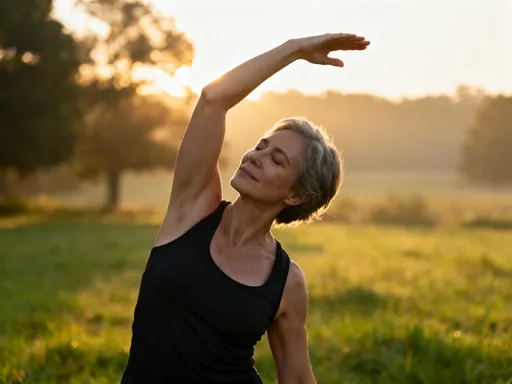
What I Wish I Knew Earlier About Staying Youthful—No Hype, Just Real Talk
Aging doesn’t have to mean decline. I used to think wrinkles and low energy were just inevitable, but after years of trial and error, I’ve learned that small, consistent choices make a real difference. This isn’t about miracle fixes or extreme routines—it’s about avoiding common missteps and focusing on what actually supports long-term vitality. Let’s talk about how simple, science-backed habits can quietly transform how you feel and age. It’s not about turning back the clock, but about living with more energy, resilience, and confidence as the years go by. The truth is, how we age is influenced far more by daily decisions than by genetics alone.
The Myths We Believe About Aging
Many of us grow up believing that aging automatically brings frailty, fatigue, and a steady loss of control over our bodies. This narrative, repeated in media and even casual conversations, frames getting older as something to fear rather than a natural stage of life. But this mindset is not only inaccurate—it’s harmful. When people assume that joint pain, memory lapses, or low stamina are simply “part of getting older,” they may overlook lifestyle factors that could be improved. The reality is that chronological age—the number of years since birth—is different from biological age, which reflects how well your cells, organs, and systems are functioning. Two women the same age can have vastly different biological ages based on sleep quality, diet, physical activity, and stress levels.
One of the most damaging myths is that anti-aging means fighting every sign of maturity, especially visible ones like gray hair or fine lines. This leads many to chase quick fixes—expensive creams, invasive procedures, or restrictive diets—while neglecting the foundational habits that truly influence long-term health. Another misconception is that once you pass a certain age, it’s too late to make meaningful changes. Research consistently shows otherwise. The body retains its ability to adapt and repair at every stage of life. Muscle can be built, metabolism can be supported, and cognitive function can be preserved through consistent, manageable actions. The key is understanding that aging well is not about reversing time, but about supporting your body’s natural resilience.
These myths also contribute to a cycle of frustration. A woman might invest in a high-end serum only to feel disappointed when it doesn’t erase years of sun damage or sleep deprivation. She may skip strength training because she believes it’s only for younger women or fear injury. These assumptions limit possibilities and discourage sustainable efforts. By shifting focus from appearance-based goals to functional wellness—how you feel, move, and think—the approach to aging becomes more empowering. Instead of asking, “How can I look 30 again?” a better question is, “What can I do today to feel strong, energized, and clear-minded?” This subtle change in perspective lays the groundwork for lasting well-being.
Skincare Traps That Speed Up Aging
When it comes to skincare, more is not always better. In fact, many women unknowingly accelerate skin aging by over-treating their skin in the name of youth. Over-cleansing, for example, is a common issue. Using harsh soaps or washing the face multiple times a day strips away the skin’s natural oils, weakening the protective barrier. This leads to increased dryness, sensitivity, and even breakouts as the skin tries to compensate by producing more oil. Similarly, over-exfoliating—especially with physical scrubs or strong chemical exfoliants like glycolic acid used too frequently—can cause micro-tears and chronic inflammation. Over time, this damages collagen and elastin, the proteins responsible for skin firmness and elasticity.
Another trap is chasing trendy ingredients without understanding individual skin needs. The beauty industry often promotes the latest “miracle” compound—whether it’s snail mucin, growth factors, or rare plant extracts—without clear evidence of long-term benefits for most people. While some ingredients do have scientific backing, such as retinoids and vitamin C, their effectiveness depends on proper use and formulation. Applying multiple potent actives at once, especially without professional guidance, can overwhelm the skin and lead to irritation. Instead of building a complex 10-step routine, a simpler approach often yields better results. Gentle cleansing, daily broad-spectrum sunscreen use, and consistent hydration form the core of effective skincare.
Sun protection, in particular, is the single most powerful anti-aging step available. Ultraviolet (UV) radiation from the sun is responsible for up to 90% of visible skin aging, including wrinkles, discoloration, and loss of firmness. Unlike genetic aging, which happens gradually, photoaging is preventable. Wearing sunscreen every day—even when indoors or on cloudy days—protects against cumulative UV damage. A broad-spectrum SPF 30 or higher should be applied to the face, neck, and hands as part of a morning routine. Pairing this with protective clothing and seeking shade during peak sun hours enhances defense. Hydration, both topical and internal, also plays a crucial role. Well-moisturized skin maintains its barrier function, reducing water loss and improving resilience. Ultimately, consistency matters more than complexity. A simple, well-followed routine supports healthier skin far better than an elaborate but unsustainable one.
The Hidden Role of Nutrition in Aging Well
Diet plays a quiet but powerful role in how we age. While skincare and exercise often take center stage, what we eat influences aging at the cellular level. Processed foods, high in refined sugars and unhealthy fats, contribute to chronic inflammation and oxidative stress—two key drivers of accelerated aging. When blood sugar spikes repeatedly, a process called glycation occurs, where sugar molecules attach to proteins like collagen, making them stiff and less functional. This leads to loss of skin elasticity and can impair blood vessel health over time. Similarly, diets low in essential nutrients deprive the body of the tools it needs to repair DNA, produce energy, and defend against environmental damage.
On the other hand, whole, nutrient-dense foods provide the building blocks for long-term vitality. Antioxidants found in colorful fruits and vegetables—such as berries, spinach, carrots, and bell peppers—help neutralize free radicals, unstable molecules that damage cells. Polyphenols in green tea, flavonoids in dark chocolate, and carotenoids in sweet potatoes all contribute to cellular protection. Healthy fats, particularly omega-3 fatty acids from fatty fish, flaxseeds, and walnuts, support brain health, reduce inflammation, and maintain skin moisture. Fiber-rich foods like legumes, oats, and whole grains promote gut health, which is increasingly linked to immune function and even mood regulation.
Hydration is another cornerstone of healthy aging that is often overlooked. Water supports every bodily function, from joint lubrication to temperature regulation and waste elimination. Even mild dehydration can lead to fatigue, headaches, and dry skin. Drinking enough water throughout the day—typically six to eight glasses, depending on activity and climate—helps maintain energy and clarity. Rather than focusing on restrictive diets or extreme cleanses, the goal should be sustainable nourishment. Small, consistent changes—like adding an extra serving of vegetables to dinner, choosing whole grains over refined ones, or swapping sugary drinks for herbal tea—add up over time. Food is not a quick fix, but a daily investment in how your body functions and feels for years to come.
Why Exercise Is More Than Weight Management
Physical activity is often promoted primarily for weight control, but its benefits go far beyond the scale. For women over 30, maintaining muscle mass becomes increasingly important. After age 30, adults lose about 3–5% of muscle mass per decade, a process known as sarcopenia. This loss affects metabolism, balance, and overall strength, increasing the risk of falls and limiting independence later in life. Regular exercise, particularly strength training, is the most effective way to slow this decline. Contrary to outdated beliefs, lifting weights does not lead to a bulky appearance—especially for women, who typically lack the testosterone levels needed for significant muscle growth. Instead, resistance training builds lean mass, improves posture, and enhances daily functionality, making everyday tasks easier.
Cardiovascular exercise, such as brisk walking, swimming, or cycling, supports heart health and circulation, delivering oxygen and nutrients to tissues throughout the body. But movement also benefits the brain. Studies show that regular physical activity increases blood flow to the brain, supports the growth of new neurons, and may reduce the risk of cognitive decline. Exercise also regulates insulin sensitivity, helping to stabilize blood sugar and reduce the risk of type 2 diabetes—a condition that accelerates aging when poorly managed. Even moderate activity, like a 30-minute walk most days of the week, has measurable effects on energy, mood, and long-term health.
Despite these benefits, many women avoid strength training due to fear, misinformation, or lack of confidence. Some worry about injury, while others believe they need expensive equipment or a gym membership. The truth is, effective strength training can be done at home with minimal tools. Resistance bands, bodyweight exercises like squats and modified push-ups, and simple dumbbells can provide a full-body workout. Starting with two sessions per week for 20–30 minutes is enough to see improvements. The key is consistency and gradual progression. As muscles adapt, small increases in resistance or repetitions keep the body challenged. Motion truly is medicine—not just for the body, but for the mind and spirit. By shifting the focus from appearance to function, exercise becomes less about punishment and more about empowerment.
Sleep and Stress: The Silent Accelerators
If there were a single habit that influences every aspect of aging, it would be sleep. During deep sleep, the body undergoes critical repair processes—tissues regenerate, hormones rebalance, and the brain clears out metabolic waste. Chronic sleep deprivation disrupts these functions, leading to increased inflammation, impaired immunity, and hormonal imbalances. Cortisol, the primary stress hormone, rises when sleep is inadequate. Elevated cortisol over time breaks down collagen, contributes to abdominal fat storage, and impairs cognitive function. Poor sleep also affects insulin sensitivity, increasing the risk of blood sugar imbalances. The effects show up not just in fatigue, but in skin dullness, slower recovery, and reduced mental clarity.
Stress, especially when constant and unmanaged, has similar consequences. The body’s stress response was designed for short-term threats, not the ongoing pressures of modern life—work demands, family responsibilities, financial concerns. When stress becomes chronic, the nervous system remains in a state of alert, which wears down the body over time. This “allostatic load” contributes to accelerated aging at the cellular level, including shortened telomeres, the protective caps on chromosomes that are markers of biological age. Women who report high levels of stress often experience more visible signs of aging, not because stress directly causes wrinkles, but because it disrupts the body’s ability to maintain and repair itself.
The good news is that small, intentional habits can make a big difference. Prioritizing a consistent sleep schedule—even on weekends—helps regulate the body’s internal clock. Creating a wind-down routine an hour before bed, such as turning off screens, dimming lights, and engaging in calming activities like reading or light stretching, signals the body that it’s time to rest. Mindfulness practices, including deep breathing, meditation, or gentle yoga, have been shown to lower cortisol levels and improve emotional resilience. These are not luxuries, but essential components of long-term health. Rest is not passive—it is an active form of self-care that allows the body to renew and thrive.
Supplements and Serums—Navigating the Noise
The anti-aging market is vast, with countless products promising to turn back time. From ingestible collagen to miracle serums and high-dose antioxidant blends, the choices can be overwhelming. While some supplements have scientific support, many are marketed with exaggerated claims and little evidence. Proprietary blends, for example, often hide the exact amounts of active ingredients, making it impossible to assess their safety or effectiveness. Similarly, topical products with high concentrations of active ingredients may irritate the skin rather than improve it, especially when used without professional guidance.
Certain supplements, like vitamin D, omega-3 fatty acids, and magnesium, may be beneficial for women who have documented deficiencies or limited dietary intake. Vitamin D supports bone health and immune function, omega-3s reduce inflammation, and magnesium plays a role in muscle and nerve function, sleep regulation, and stress management. However, supplements should not replace a balanced diet or healthy lifestyle. No pill can compensate for poor sleep, chronic stress, or a diet high in processed foods. Before starting any supplement, it’s wise to consult a healthcare provider, especially if taking medications or managing a health condition.
The same caution applies to skincare serums and treatments. Ingredients like retinol, niacinamide, and hyaluronic acid have been studied and shown to support skin health when used correctly. But results take time—often months—and require consistent use alongside sun protection and a gentle routine. The allure of instant transformation is strong, but real change happens gradually. Instead of chasing the latest product launch, focus on proven, evidence-based choices. Read labels, research ingredients, and be skeptical of claims that sound too good to be true. True anti-aging is not found in a bottle, but in the daily habits that support your body’s natural processes.
Building a Sustainable Routine That Lasts
The biggest obstacle to lasting change is not lack of information, but lack of sustainability. Many women start with enthusiasm—adopting strict diets, intense workouts, or elaborate skincare regimens—only to burn out within weeks. The “all-or-nothing” mindset sets unrealistic expectations and leads to guilt when perfection isn’t achieved. A more effective approach is habit stacking: linking new behaviors to existing routines. For example, applying sunscreen can become part of the morning tooth-brushing ritual, or a short walk can follow lunch each day. These small pairings make new habits easier to remember and maintain.
Setting realistic goals is equally important. Instead of aiming to exercise one hour a day, start with 10 minutes of movement. Rather than overhauling the entire diet, begin by adding one extra serving of vegetables to dinner. These micro-changes are more likely to stick because they don’t require a complete lifestyle overhaul. Over time, they build momentum. Self-compassion is also essential. There will be days when sleep is poor, meals are rushed, or workouts are skipped. That’s normal. Progress is not linear, and self-criticism only creates resistance. Treating yourself with kindness makes it easier to return to healthy habits without judgment.
Ultimately, healthy aging is not about chasing youth, but about honoring your body at every stage. It’s a daily act of self-respect—choosing foods that nourish, moving in ways that feel good, protecting your skin, and prioritizing rest. These choices compound over time, leading to greater energy, strength, and confidence. The goal is not to look younger, but to feel capable, vibrant, and in tune with your body. This isn’t a race against time, but a lifelong journey of care and awareness. By avoiding common pitfalls and embracing simple, consistent practices, you invest in how you live—not just how long, but how well.