How I Found Balance Through Traditional Chinese Rhythms
Have you ever felt out of sync—tired even after sleep, stressed without reason? I did. Then I discovered how traditional Chinese medicine views life rhythm as the core of wellness. It’s not about quick fixes, but aligning with natural cycles. From waking with the sun to eating with the seasons, small shifts brought real change. This is my journey into a more balanced, grounded way of living—no magic, just mindful adjustment. What began as curiosity grew into a daily practice rooted in awareness, timing, and harmony. Over time, fatigue lifted, digestion improved, and my mood stabilized—not because I overhauled everything at once, but because I started listening to the quiet signals my body had been sending for years.
The Modern Disconnect: Why We Feel Out of Sync
Many people today live in a constant state of low-grade exhaustion. They eat well, exercise regularly, and avoid obvious health risks, yet still feel drained, unfocused, or emotionally unsettled. The root of this imbalance often lies not in what we do, but in when we do it. Modern life runs on artificial time—alarms, deadlines, and digital notifications—frequently overriding the body’s innate biological rhythms. Traditional Chinese medicine (TCM) teaches that true health arises from alignment between internal processes and the natural world. When our routines clash with these rhythms, symptoms like fatigue, brain fog, and digestive discomfort inevitably follow.
One of the most common disruptions is irregular sleep. Staying up late, even for work or relaxation, interferes with the body’s nightly repair cycle. In TCM, each organ system has a two-hour window during which its function peaks, known as the organ clock. The liver, for instance, performs its most vital detoxification work between 1 a.m. and 3 a.m. If you're still awake or in a light sleep during this time, the process is compromised. Over time, this leads to a buildup of internal stagnation, which TCM associates with irritability, poor digestion, and hormonal imbalances. The modern habit of late-night screen use worsens this, as blue light suppresses melatonin and delays sleep onset, further misaligning the body with natural darkness.
Another major disruptor is erratic eating patterns. Skipping breakfast, eating lunch at a desk while multitasking, or consuming large meals late at night all conflict with the digestive rhythm. In TCM, the stomach and spleen are most active between 7 a.m. and 9 a.m., making this the ideal window for a nourishing morning meal. When breakfast is missed or replaced with cold food or coffee on the go, the digestive fire—known as the Spleen Qi—becomes weakened. This can lead to bloating, fatigue after meals, and a feeling of heaviness. Similarly, eating dinner too late burdens the stomach when it should be winding down, often resulting in restless sleep or morning sluggishness.
Daily routines filled with constant stimulation also play a role. The nervous system, which TCM links to the Heart and Kidney balance, thrives on rhythm and recovery. Yet many people move from task to task without pause, rarely allowing the body to shift into rest mode. This chronic activation depletes Jing, or essential life energy, leading to long-term depletion. The result is not just physical tiredness, but emotional fragility—feeling overwhelmed by small stressors or unable to relax even when time allows. Recognizing these patterns is the first step toward realignment. It’s not about adding more to the day, but about reshaping how we move through it.
Rooted in Rhythm: TCM’s View of Time and Body
In traditional Chinese medicine, time is not a linear measurement but a living, flowing force that shapes health. The body is seen as a microcosm of the natural world, responding to the same cycles of light and dark, activity and rest, expansion and contraction. At the heart of this understanding is the organ clock, a 24-hour cycle that maps the peak activity of each organ system. This rhythm is not arbitrary; it reflects the rise and fall of Qi, the vital energy that animates all physiological functions. By aligning daily habits with this internal clock, one can support the body’s natural processes rather than working against them.
The cycle begins between 3 a.m. and 5 a.m. with the Lung, which governs respiration and the immune system. This is why many people with strong Lung Qi wake naturally at this time—ready to breathe deeply and begin the day. From 5 a.m. to 7 a.m., the Large Intestine takes over, making this an ideal time for elimination. In TCM, clearing waste is not just physical but symbolic of releasing what no longer serves, setting the stage for renewal. Then, between 7 a.m. and 9 a.m., the Stomach and Spleen dominate, emphasizing the importance of a warm, substantial breakfast to fuel the day’s activities. Missing this window can lead to low energy and poor nutrient absorption, as the digestive system is most receptive during these hours.
Midday, from 11 a.m. to 1 p.m., belongs to the Heart, which in TCM governs both circulation and the mind. This is the time of greatest Yang energy—ideal for focused work, social interaction, and mental clarity. Following this, the Small Intestine (1 p.m. to 3 p.m.) helps sort nutrients from waste, supporting metabolic efficiency. Then the Bladder (3 p.m. to 5 p.m.) and Kidneys (5 p.m. to 7 p.m.) take center stage. The Kidneys are considered the root of life, storing Jing and regulating water metabolism, adrenal function, and long-term vitality. This late afternoon period is best suited for lighter tasks, reflection, or gentle movement, not intense mental labor.
As night falls, the body shifts into Yin mode. The Pericardium (7 p.m. to 9 p.m.) and Triple Burner (9 p.m. to 11 p.m.) prepare the system for rest, regulating circulation and fluid balance. Finally, the Gallbladder (11 p.m. to 1 a.m.) and Liver (1 a.m. to 3 a.m.) activate for deep detoxification and emotional processing. Waking during these hours, especially between 1 a.m. and 3 a.m., is often linked to unresolved anger or stress in TCM. By honoring this rhythm—going to bed early, avoiding late meals, and minimizing stimulation—we allow the body to complete its nightly restoration. This is not a rigid schedule to enforce, but a guide to observe and gently follow.
Morning Moves: Aligning with the Qi of Daybreak
Waking with the sunrise is more than a poetic ideal—it is a practical step toward greater vitality in the TCM tradition. The early morning hours, particularly between 5 a.m. and 7 a.m., are governed by the Large Intestine, making this a powerful time for physical and emotional release. In many traditional cultures, this period was used for quiet reflection, elimination, and gentle movement. Modern lifestyles often delay waking until the last possible moment, missing this natural window of renewal. By shifting even slightly—rising 30 to 60 minutes earlier—many women report improved digestion, clearer thinking, and a calmer emotional state.
One of the simplest and most effective habits is drinking a glass of warm water upon waking. This practice stimulates the digestive tract, hydrates the body after hours of sleep, and gently awakens the Stomach and Spleen. Cold water, while refreshing, can shock the system and weaken digestive fire, especially in those prone to bloating or fatigue. Adding a slice of lemon or a small amount of honey can enhance the effect without cooling the body excessively. This small act signals the body that it is time to begin the day’s metabolic processes, supporting smooth digestion and energy production.
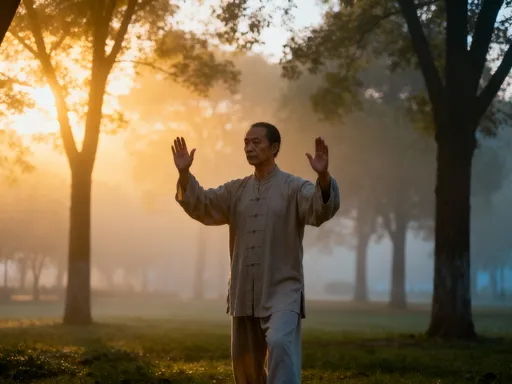
Following hydration, light movement helps circulate Qi and blood, reducing stagnation that accumulates overnight. Practices like Qi Gong, Tai Chi, or gentle stretching are ideal for this time. Unlike intense workouts, which activate the Yang energy too abruptly, these slow, intentional movements warm the body gradually and improve joint mobility. A 10- to 15-minute routine can include simple exercises such as lifting the arms overhead to stimulate Lung Qi, twisting the torso to support digestion, or tapping the ribs to activate Liver function. These movements need not be perfect—consistency matters more than form.
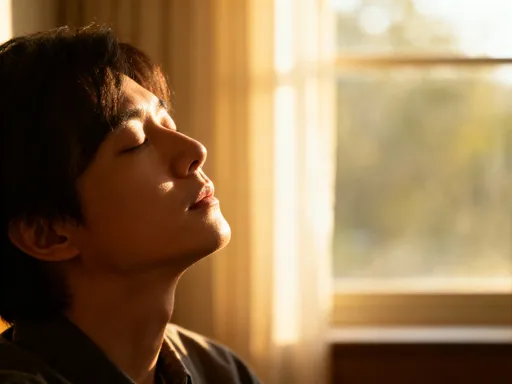
The mental and emotional benefits of a morning rhythm are equally important. Starting the day with intention—rather than rushing to check messages or manage tasks—creates a sense of control and calm. This quiet time allows space for gratitude, planning, or simply being present. Over time, this practice builds resilience, making it easier to handle daily stressors without becoming overwhelmed. For women managing households, careers, or caregiving responsibilities, this small window of self-care can be transformative. It is not about adding more to the day, but about beginning it in a way that supports long-term balance.
Eating with the Seasons: The Rhythm of Nourishment
In traditional Chinese medicine, food is not just fuel—it is a form of medicine that interacts with the body’s internal environment. The principle of seasonal eating is central to this view. Each season carries its own energetic quality: winter is cold and inward, summer is hot and expansive, spring is rising and active, and autumn is dry and descending. By choosing foods that align with these qualities, we support the body’s natural ability to adapt and thrive. This is not about rigid rules, but about cultivating awareness of how different foods affect energy, digestion, and mood throughout the year.
Winter calls for warming, nourishing foods that support the Kidneys and conserve energy. Root vegetables like carrots, sweet potatoes, and beets are ideal, as are soups, stews, and slow-cooked grains. Animal proteins, when consumed in moderation, provide deep nourishment during this restful time. Spices such as ginger, cinnamon, and cloves help warm the body and improve circulation. Raw or cold foods—like salads or iced drinks—are minimized, as they can weaken digestive fire and lead to internal coldness, manifesting as fatigue, loose stools, or cold hands and feet.
In contrast, summer benefits from cooling, hydrating foods that clear heat and support the Heart and Small Intestine. Melons, cucumbers, tomatoes, and leafy greens are excellent choices. Lightly cooked or raw meals are easier to digest in the heat, and herbal teas like chrysanthemum or mint can help regulate body temperature. However, excessive consumption of icy foods or drinks can impair digestion, leading to bloating or fatigue despite the season’s abundance. The key is balance—cooling the body without shocking it.
Spring is a time of renewal, linked to the Liver and the free flow of Qi. This season calls for foods that are slightly sour and green—such as lemon, vinegar, spinach, and sprouts—to support detoxification and movement. Bitter greens like dandelion or arugula help clear winter stagnation. Autumn, governed by the Lungs, benefits from moistening foods to counter dryness—pears, apples, sesame, and honey are excellent. Each season also corresponds to a flavor that supports its associated organ: sweet for the Spleen in late summer, sour for the Liver in spring, bitter for the Heart in summer, spicy for the Lungs in autumn, and salty for the Kidneys in winter. Adjusting flavors mindfully can help maintain internal harmony.
Work, Rest, and Flow: Balancing Activity and Stillness
The modern ideal of productivity often equates busyness with success, but traditional Chinese medicine warns against constant action without recovery. True vitality comes not from pushing through fatigue, but from rhythm—alternating between periods of activity and rest. The body’s energy, or Qi, moves in waves: rising in the morning, peaking at midday, and gradually declining in the afternoon. By structuring the day to honor these natural peaks and valleys, we can work more effectively while preserving long-term health.
Midday, from 11 a.m. to 1 p.m., is the peak of Yang energy, governed by the Heart. This is the optimal time for focused tasks, decision-making, and communication. Scheduling demanding work during this window aligns with the body’s natural alertness and mental clarity. After lunch, however, energy begins to shift. The Small Intestine is active from 1 p.m. to 3 p.m., sorting nutrients and supporting metabolism. This is not the time for heavy mental labor, but for lighter tasks, administrative work, or gentle movement. A short walk after lunch, even for 10 minutes, can aid digestion and prevent the post-meal slump.
From 3 p.m. to 5 p.m., the Bladder governs, supporting elimination and fluid balance. This period is often marked by a second wave of energy, but it is more physical than mental. It’s a good time for errands, light exercise, or creative tasks that don’t require intense focus. As evening approaches, the Kidneys take over, signaling a shift into conservation mode. This is when the body begins to prepare for rest. Engaging in high-stress work or intense exercise during this time can deplete Kidney Jing, the essence that supports longevity and resilience.
Equally important is the practice of micro-rhythms—small pauses woven throughout the day to reset the nervous system. These can include three deep breaths before answering a call, a moment of stillness between tasks, or closing the eyes for a minute to recenter. Such breaks prevent the accumulation of stress and support emotional stability. True rest is not the same as sleep; it includes quiet time without stimulation—reading, sitting in nature, or simply being. For women who often put others’ needs first, prioritizing these moments is not indulgent, but essential for sustained well-being.
Evening Wind-Down: Returning to Yin
As daylight fades, the body naturally shifts into Yin mode—a state of rest, repair, and introspection. In traditional Chinese medicine, this transition is critical for restoring balance. Yet many disrupt it with bright lights, screens, late meals, or intense workouts. These activities stimulate Yang energy when the body should be quieting down, leading to difficulty falling asleep, restless nights, or unrefreshing sleep. By creating an evening routine that supports this shift, one can improve sleep quality and next-day energy.
One of the most effective steps is dimming the lights after 7 p.m. Bright lighting, especially blue light from screens, signals the brain to stay alert, delaying the release of melatonin. Switching to warm, low lighting helps the body recognize that it is time to wind down. Reducing screen time at least one hour before bed—by reading a physical book, journaling, or engaging in quiet conversation—supports this process. If screens are necessary, using a blue light filter can minimize disruption.
Dinner should be eaten by 7 p.m., if possible, and kept light. A heavy meal late at night forces the Stomach to work when it should be slowing down, often leading to indigestion or interrupted sleep. Warm, easily digestible foods—such as soups, congee, or steamed vegetables—are ideal. Avoiding raw, cold, or greasy foods in the evening helps prevent dampness and stagnation, common TCM patterns linked to fatigue and bloating.
Calming practices further support the shift into Yin. Abdominal breathing—inhaling deeply into the lower belly—activates the parasympathetic nervous system, promoting relaxation. A warm foot soak with ginger or Epsom salts improves circulation and draws energy downward, aiding sleep. Herbal teas such as chamomile, passionflower, or linden can also be beneficial, as long as they are not overly cooling. The goal is not to fall asleep quickly, but to create conditions that allow the body to transition smoothly into rest. Over time, this consistency strengthens the body’s natural rhythm, making deep, restorative sleep more accessible.
Making It Real: Small Shifts, Lasting Change
Living in rhythm is not about perfection or drastic overhauls. It is about awareness, intention, and small, sustainable changes. Many people feel discouraged when they try to adopt too many habits at once, only to abandon them when life gets busy. The key is to start with one simple adjustment and build from there. For example, waking 30 minutes earlier, drinking warm water in the morning, or eating dinner an hour sooner can create noticeable improvements in energy and digestion within days.
Tracking subtle changes helps reinforce the practice. Keeping a simple journal to note energy levels, sleep quality, or mood can reveal patterns over time. You may notice that on days when you eat dinner early, you sleep more soundly, or that a morning stretch routine reduces afternoon fatigue. These observations build confidence and motivation. The body becomes the best guide—its signals, once ignored, become clear when we slow down enough to listen.
Flexibility is also important. There will be days when the rhythm is disrupted—due to travel, family needs, or unexpected events. This is normal. The goal is not rigid adherence, but gentle return. After a late night, for instance, you might prioritize an early bedtime the next evening or take a quiet midday break. These corrections keep the system resilient.
For women in their 30s, 40s, and 50s, who often juggle multiple roles, rhythm offers a way to care for themselves without adding pressure. It is not another task to complete, but a way of being that supports all areas of life. As these small shifts accumulate, they form a foundation of balance that sustains energy, emotional clarity, and physical health. The journey is not about reaching a destination, but about moving in harmony with the natural flow of life.
Conclusion: Living in Harmony, Not Hustle
True wellness is not found in extreme diets, intense workouts, or endless self-improvement. It is found in returning to rhythm—the quiet, consistent patterns of nature and the body. Traditional Chinese medicine does not offer quick fixes or miracle cures. Instead, it offers a way of living that honors time, season, and internal balance. By aligning daily habits with natural cycles, we support the body’s innate ability to heal, renew, and thrive.
This is not about rejecting modern life, but about reshaping it with ancient wisdom. You don’t need to live in a remote village or abandon technology to benefit from these principles. You simply need to observe, adjust, and listen. When you wake with the light, eat with the season, and rest with the dark, you create a life that flows rather than fights. Energy becomes more stable, digestion improves, and emotions find greater equilibrium.
For women who have spent years pushing through fatigue or ignoring their body’s signals, this approach can be deeply restorative. It is not about doing more, but about being present. It is about recognizing that health is not a destination, but a rhythm—one that can be rediscovered, one small shift at a time. When life moves with the pulse of nature, vitality follows not as a force, but as a flow.